The Technical Story
In Part two of our Kitchen Designer’s Guide we look at the materials, finishes and fittings shaping the 2026 kitchen.
Last month we walked through the style trends shaping kitchens in 2026 — minimalist versus maximalist, the return of colour, the rise of curves and the joy of “hidden everything.” This month it’s time to get technical.
Whatever look you’re chasing, the choices that bring it to life come down to the products themselves — the stone you choose, the cabinetry behind it, and the lighting that brings it all together. Here are the products and details shaping the 2026 kitchen.

Benchtops: the materials
The benchtop is the hero of almost every kitchen we design — it’s the surface you see, touch and lean on every day, and it does more to set the mood of the room than almost any other single choice. Here are the materials defining 2026.
Natural stone
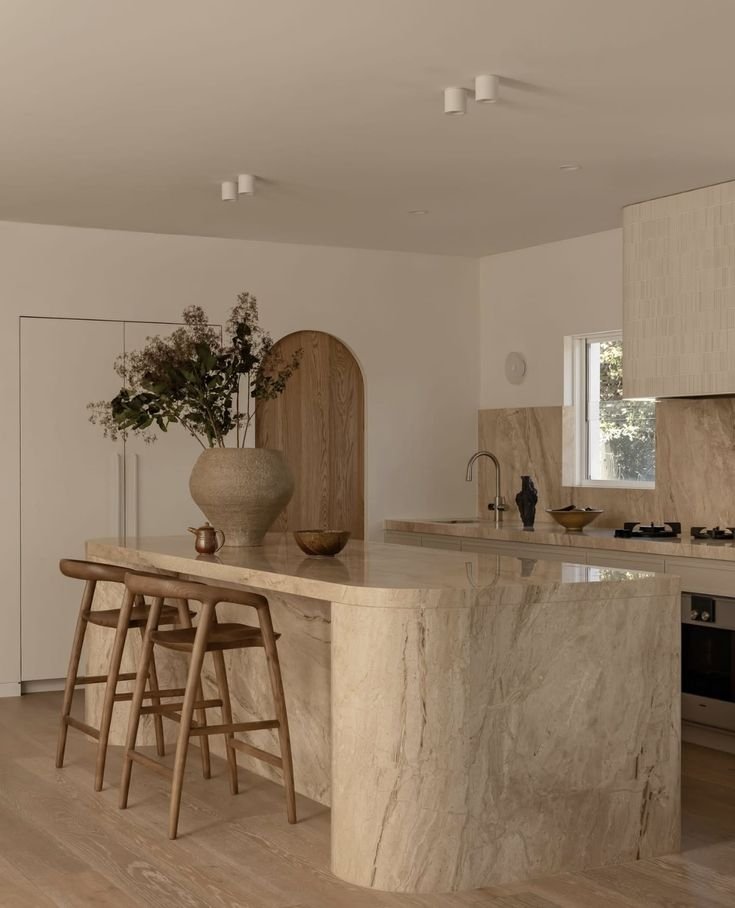
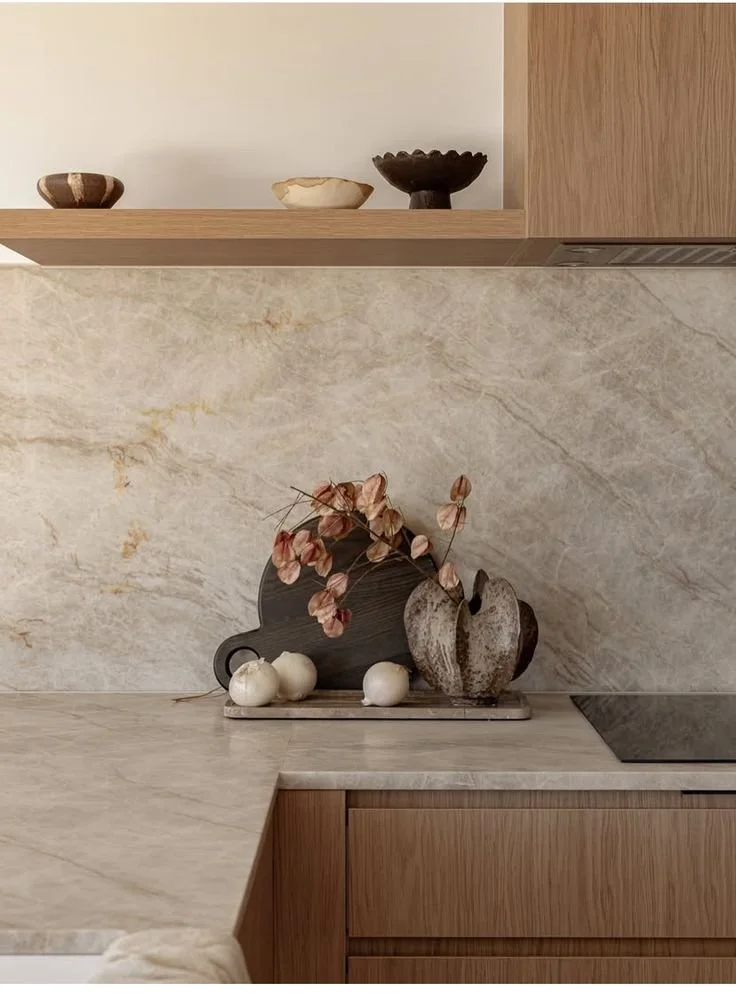
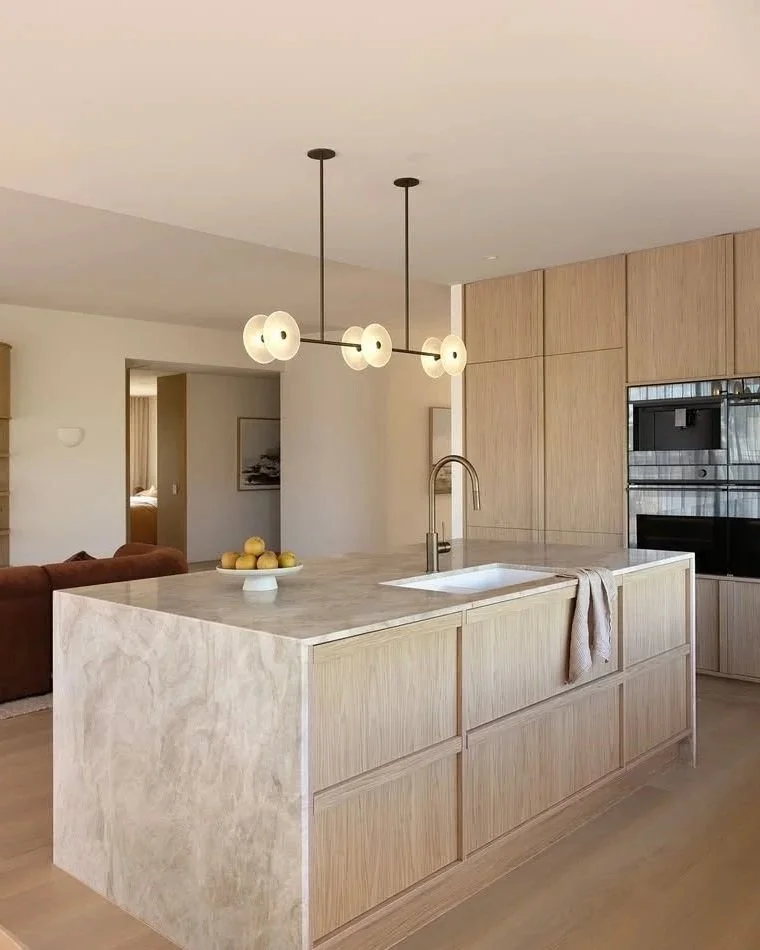
Natural stone is back in a big way for 2026 — particularly the bold-veined varieties used like sculpture on islands and splashbacks. The two we recommend most often for kitchens are marble and quartzite. They look similar at a glance, but they wear very differently.
Marble is the timeless classic — painterly veining and depth that no engineered product can quite match.
Marble is softer and more porous than engineered stone or porcelain, so it will mark and patina over time. For people who love a kitchen with character, that’s part of the charm. For families who can’t bear a stain, we’d steer toward quartzite or porcelain instead.
Quartzite is our go-to for clients who want the drama of marble with everyday durability. It’s harder than marble, less porous, and far more resistant to staining and everyday wear — but still a true natural stone with the same one-of-a-kind veining.
The quartzite we are loving: Taj Mahal — creamy beige with soft golden movement, beautiful in family kitchens. Emerald, Patagonia and Cristallo are other names worth knowing.
A note on choosing natural stone — unlike engineered stone or porcelain, you can’t sample natural stone from a brochure or a small chip. Every slab is different. Colours shift, veining moves, patterns vary from one piece to the next. The only way to choose is to go and see the actual slab in person at the stone yard, ideally with your designer. It’s one of our favourite parts of the design process — and almost always the moment a client falls in love.
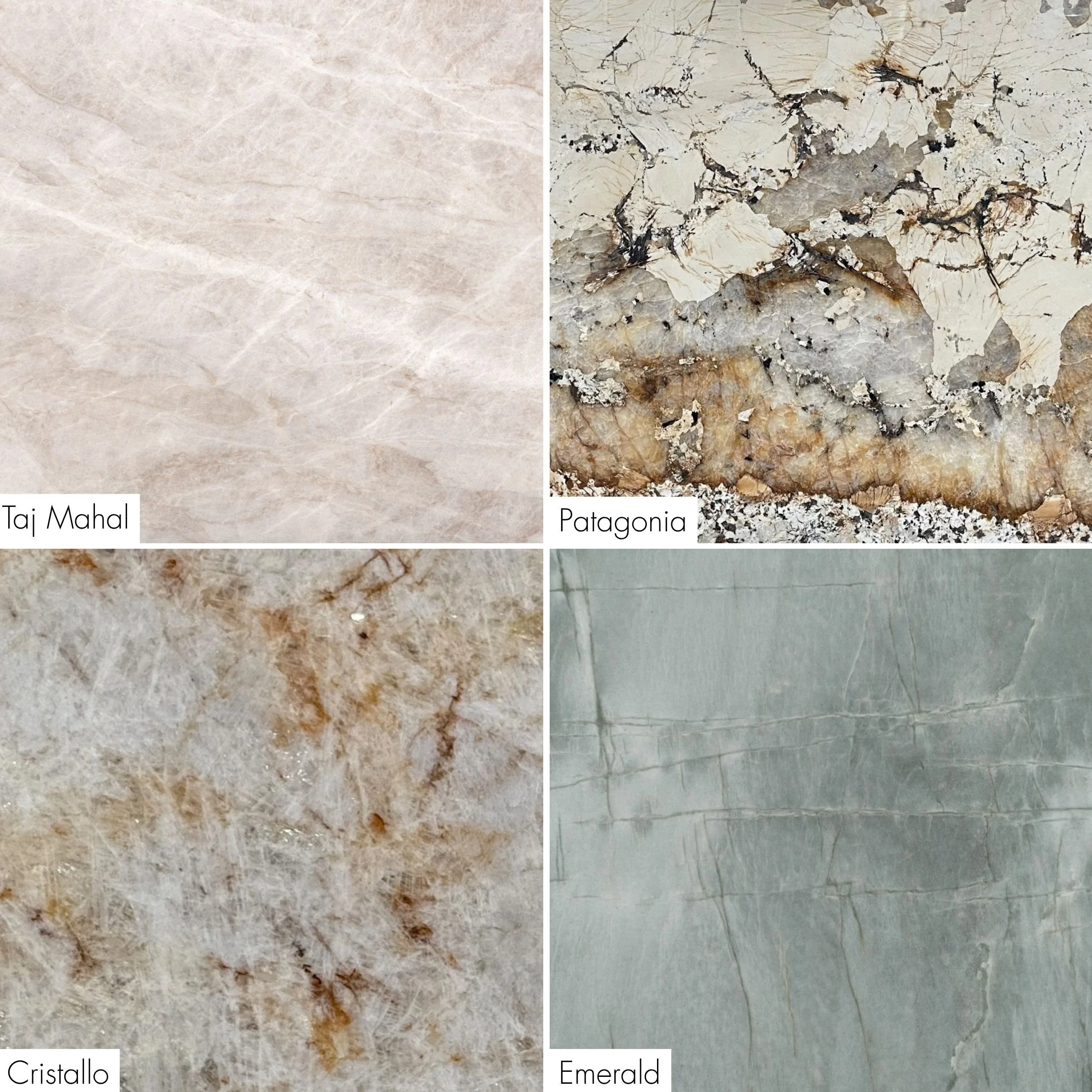
Natural Stone Quartzite Samples
Engineered stone
Engineered stone mixes natural stone with man-made resins. It’s tougher, more uniform and easier to maintain than natural stone — a workhorse for busy family kitchens.
Many of our clients have been asking about silica-free engineered stone over the past year or two, and the industry has answered. Caesarstone’s crystalline silica-free Mineral range, Silestone’s low-silica XM collection, and Quantum Zero (the silica-free sister to Quantum Quartz) are the options we reach for most often, and they’re what we specify as standard. The look is the same, the performance is the same, and the colour and pattern range has caught up quickly. Engineered stone has quietly become a smarter, safer product — and you don’t have to compromise on anything to get there.
Like natural stone, engineered stone has the pattern running through the whole slab, so cut edges, mitres and waterfall edges all show the same colour and movement as the surface.
Porcelain
Porcelain is one of the most exciting materials in the 2026 kitchen. Made by pressing natural materials and firing them at over 1200°C, it’s exceptionally hard-wearing, fully heat-resistant (yes, you can put a hot pan straight onto it), UV-stable and now available in beautifully book-matched veined options that rival natural stone.
The brands worth knowing:
Dekton by Cosentino — the original sintered surface and still one of the best.
Laminam — stunning Italian porcelain in large-format slabs.
Neolith — another Italian option with beautiful veined finishes.
Worth knowing: unlike natural and engineered stone, with porcelain the pattern sits on the top surface only — something to factor in when you’re choosing your edge.
Cabinetry
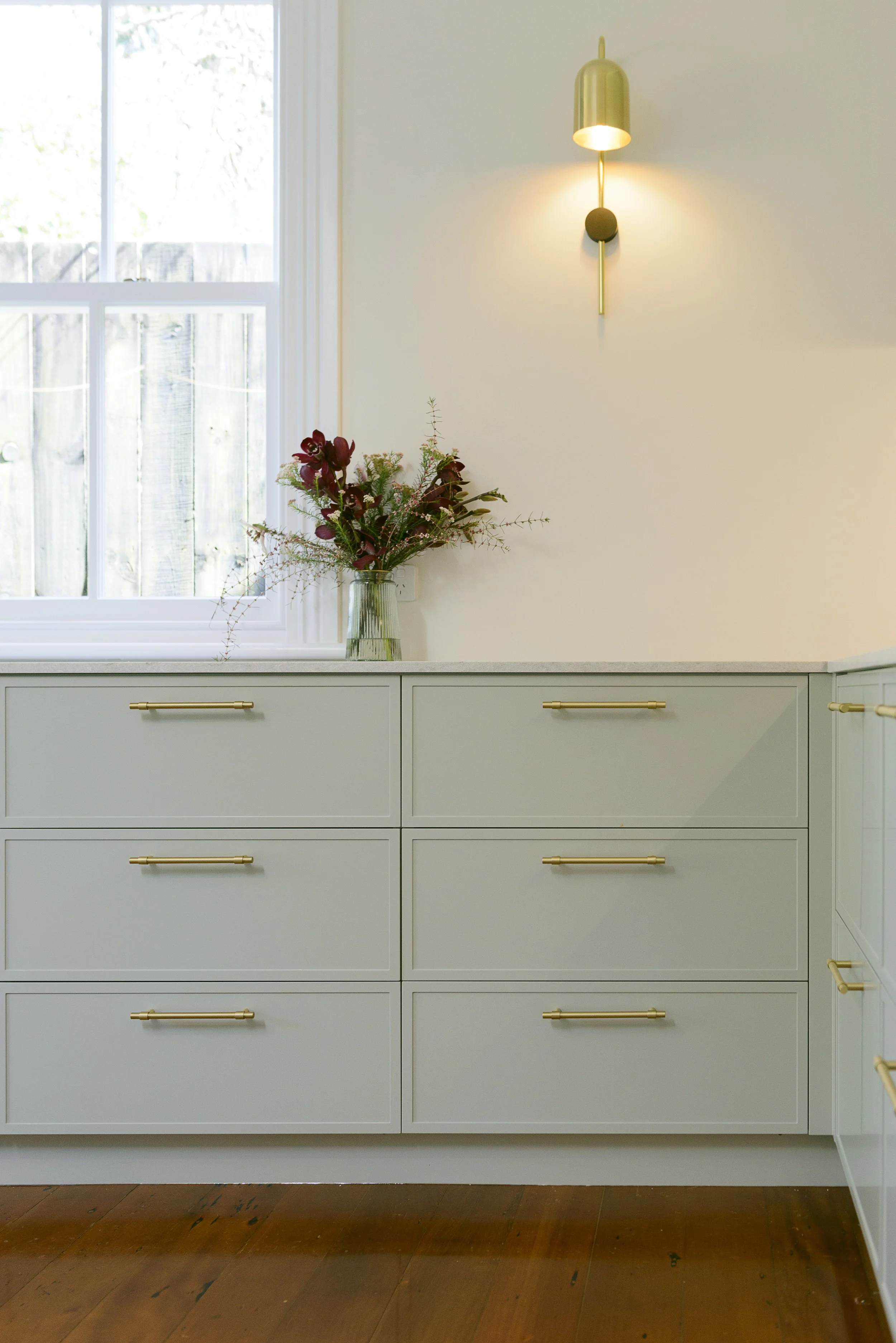
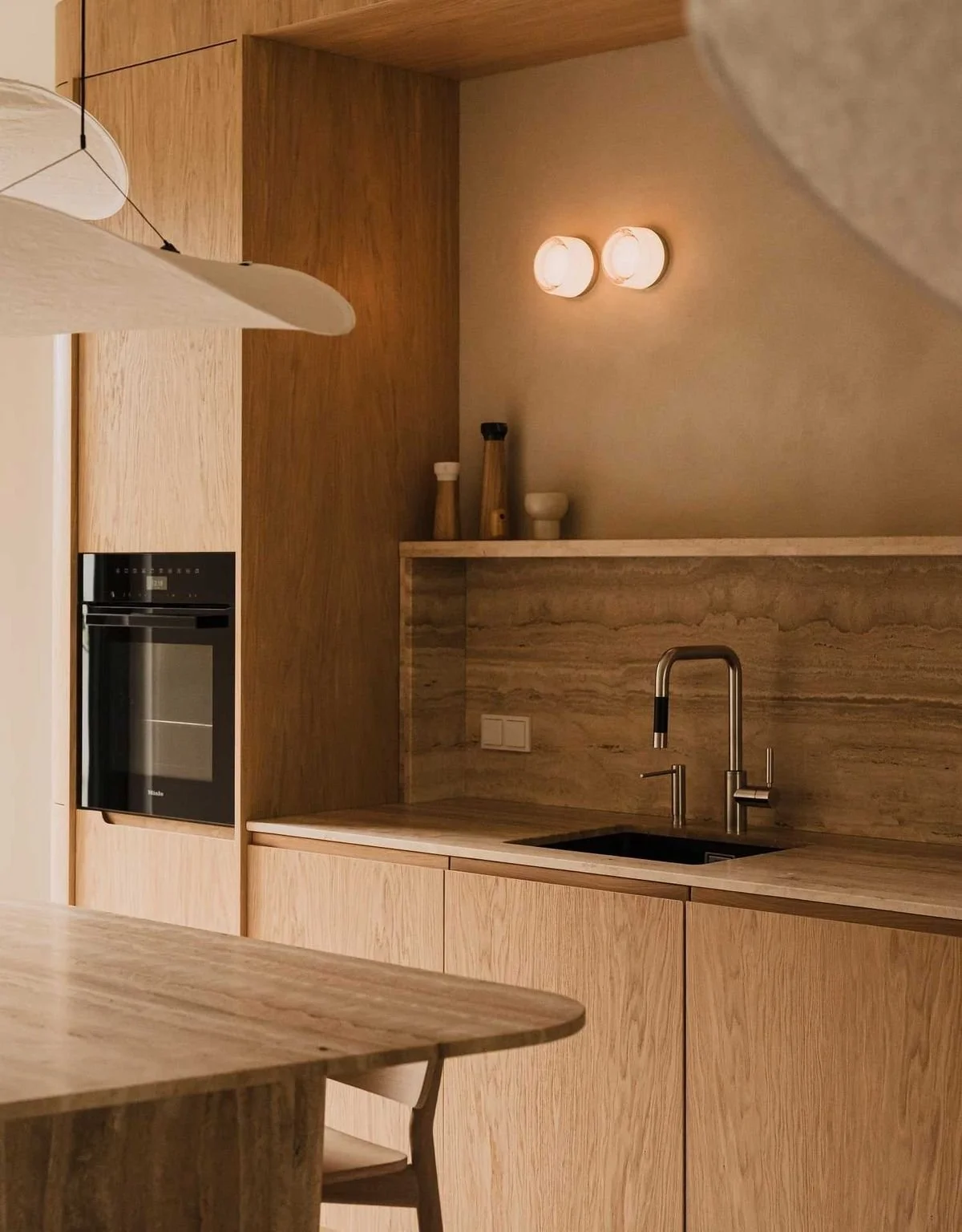
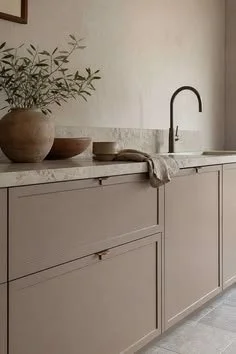
There are four main options, each with different benefits.
Low-pressure laminate (Melteca / Melamine) — the most cost-effective option. Now available in beautifully realistic timber grains and on-trend solid colours.
Veneer — a thin layer of real timber on wood-based panels. Far more sustainable than solid timber (one cubic metre of timber yields more than 900 sqm of veneer) and the easiest way to get that rich walnut look without the price tag of solid wood.
Two-pot lacquer (2PAC) — a hardened paint finish in any Resene colour you can imagine. Pricier than the other options, but unbeatable for a fully colour-matched scheme — and the only option if you want a moulded or detailed door in a custom colour.
Thermoform panels (Dezignatek) — vinyl wrapped around the door face for a seamless, moisture-resistant finish. Still the best option for a shaker-style kitchen at a reasonable price.
Handles (and no handles)
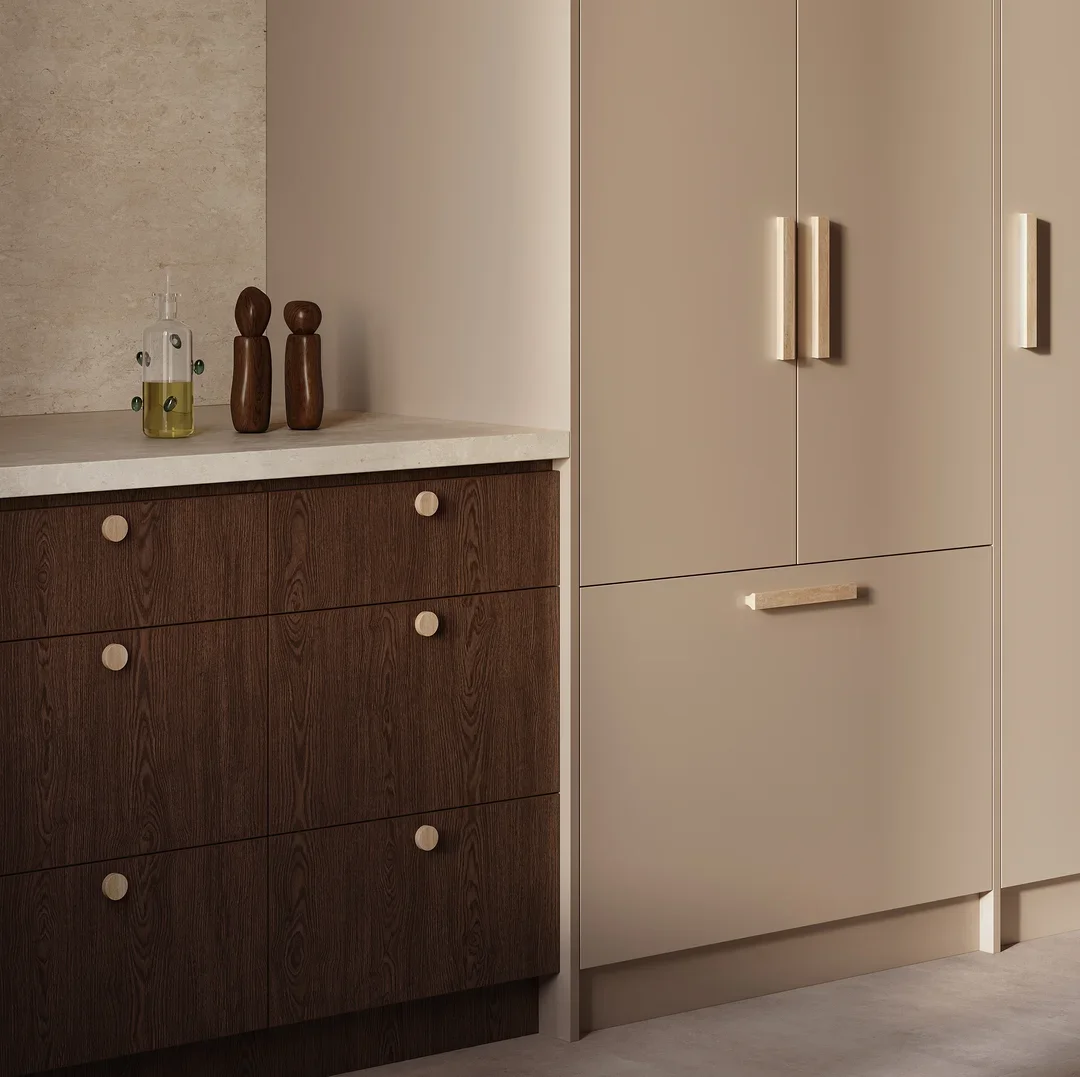
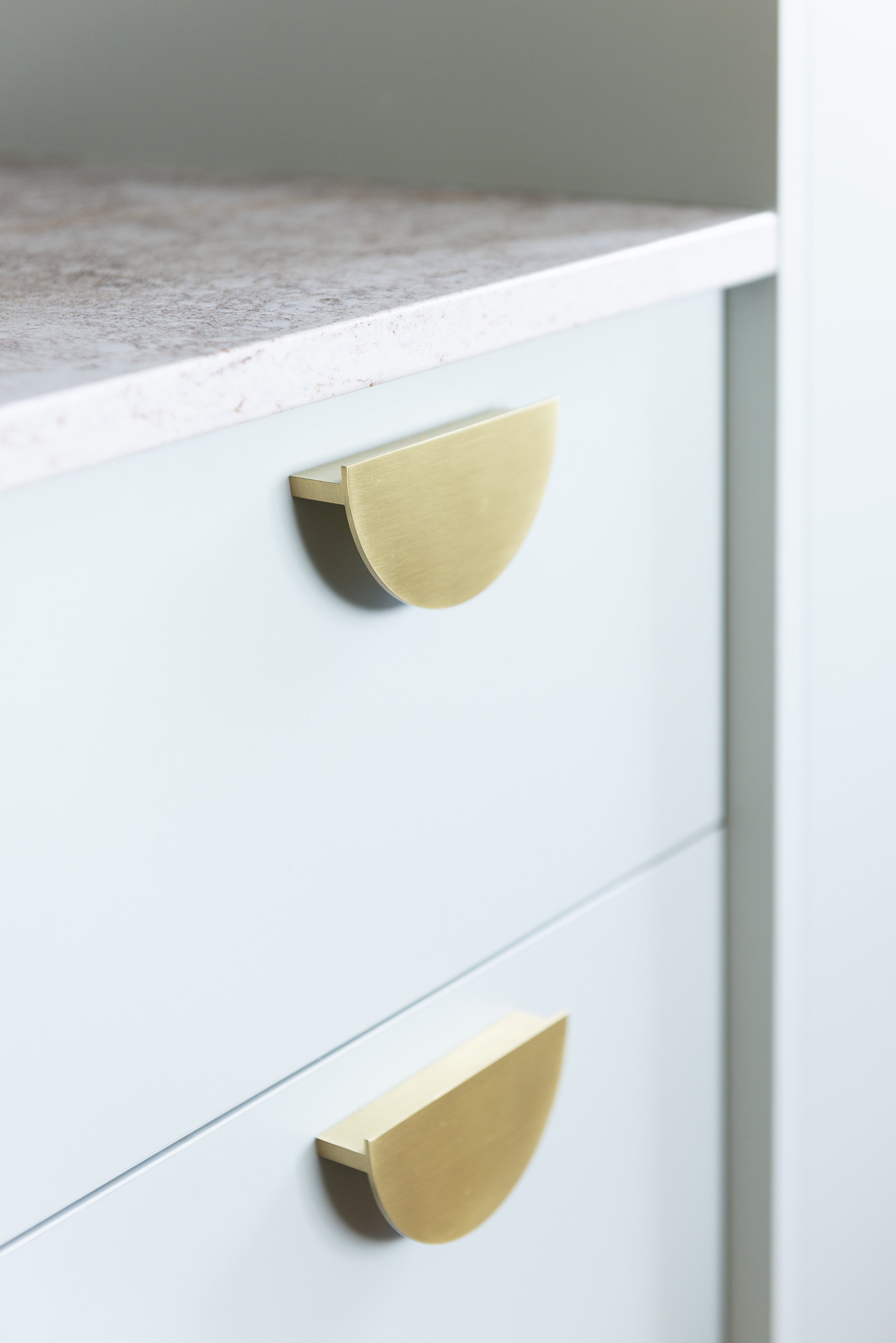
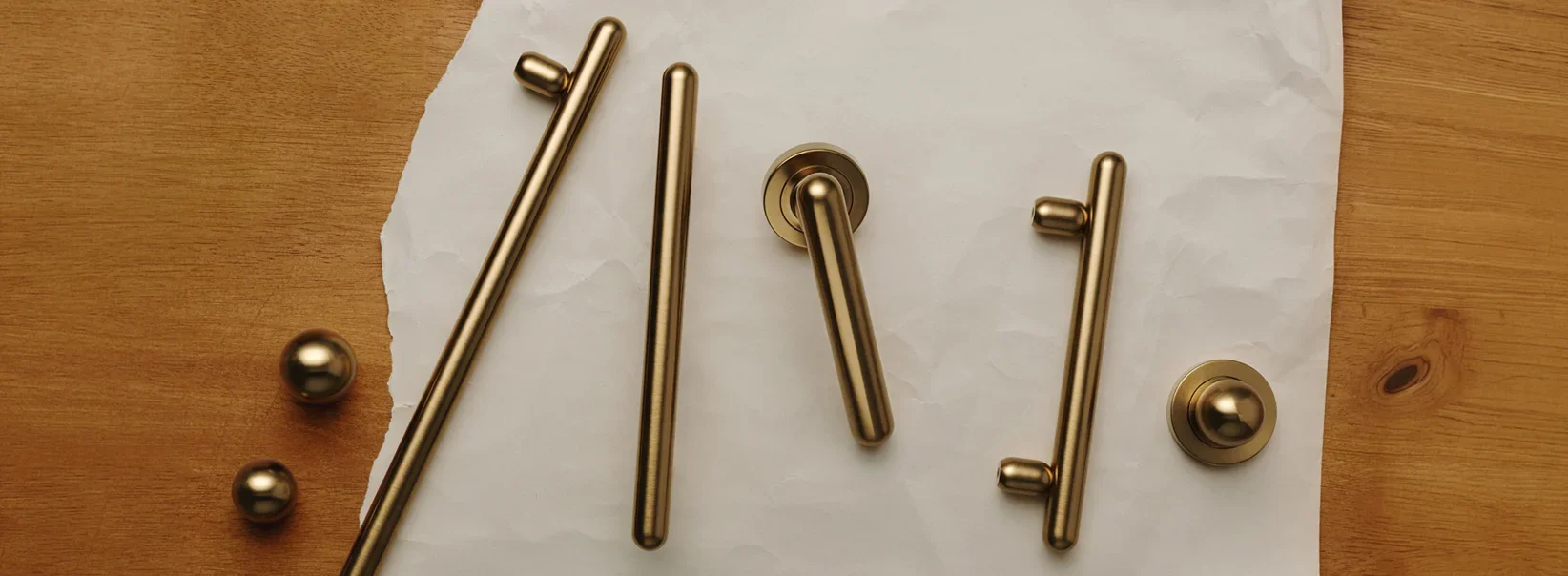
We love handles — and will almost always opt for handles over no handles. They’re the jewellery of the kitchen.
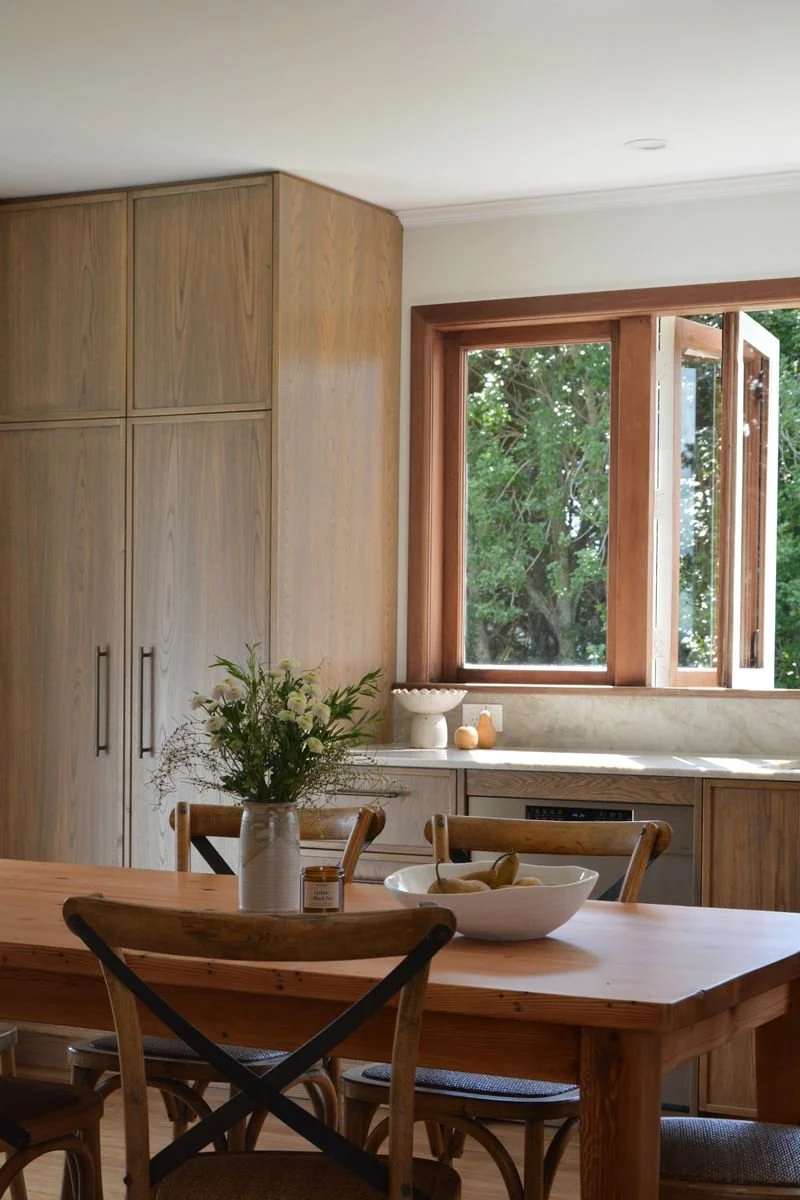
In a minimalist kitchen, the cabinetry has no handles at all. We achieve this with either push-to-open mechanisms or an integrated J-pull — a routed groove at the top or underside of the door that you hook your fingers into. Both give the clean, uninterrupted line that defines the minimalist look. We’d steer you away from a shark-nose style finger detail though — it looks great in photos but is surprisingly hard to open day to day.
In a maximalist kitchen, handles are back in a big way — brass, timber knobs, oversized aged-metal pulls. Choose them with intent — they’re the detail that gives the kitchen its personality.
One thing we always recommend: your tapware and handle hardware should match throughout the home — yes, that includes your bathrooms. It’s the detail that makes a house feel considered rather than collected piece by piece.
Top tip — going handle-free won’t save you money. Push-to-open mechanisms and integrated J-pulls cost more, not less.

Islands
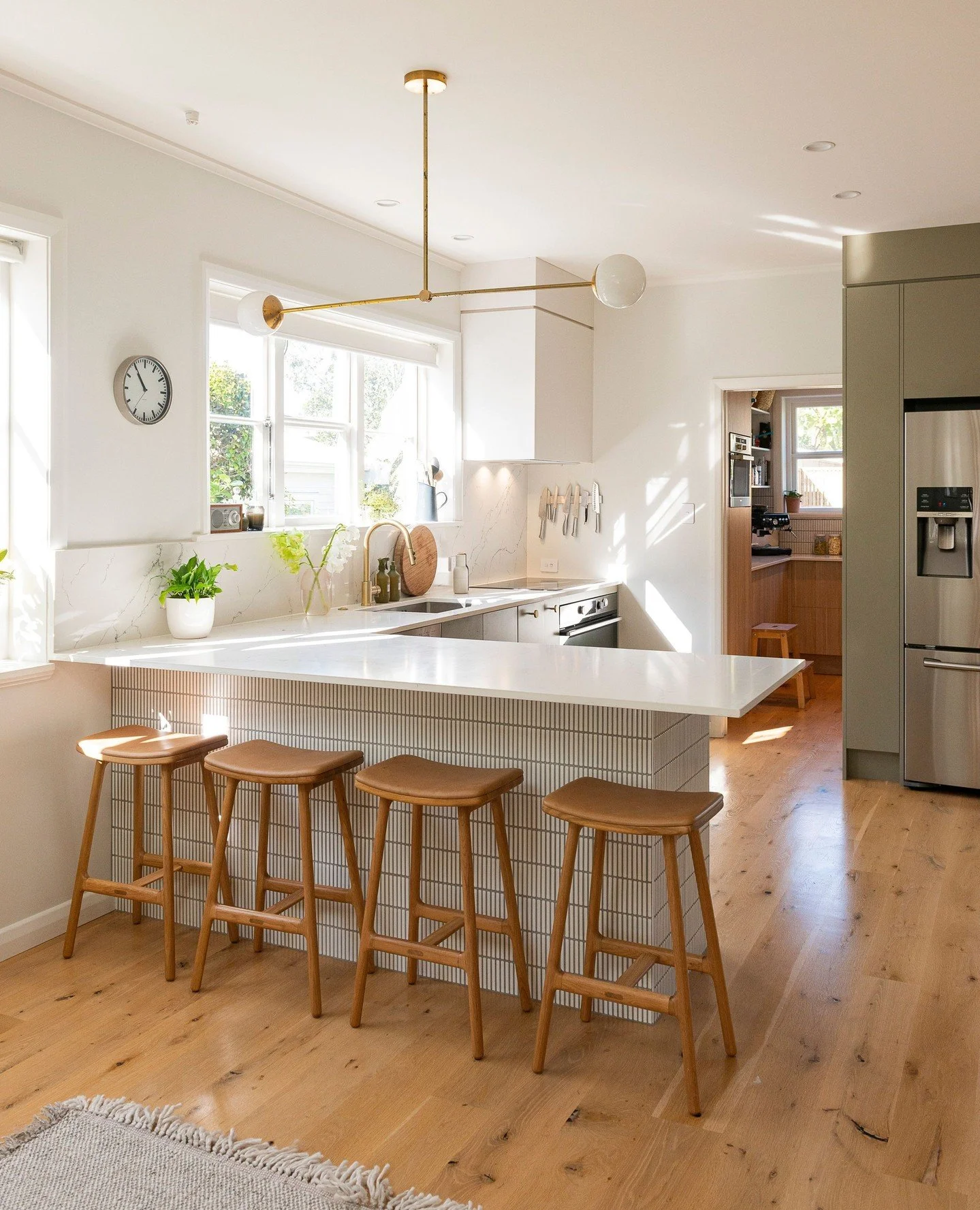
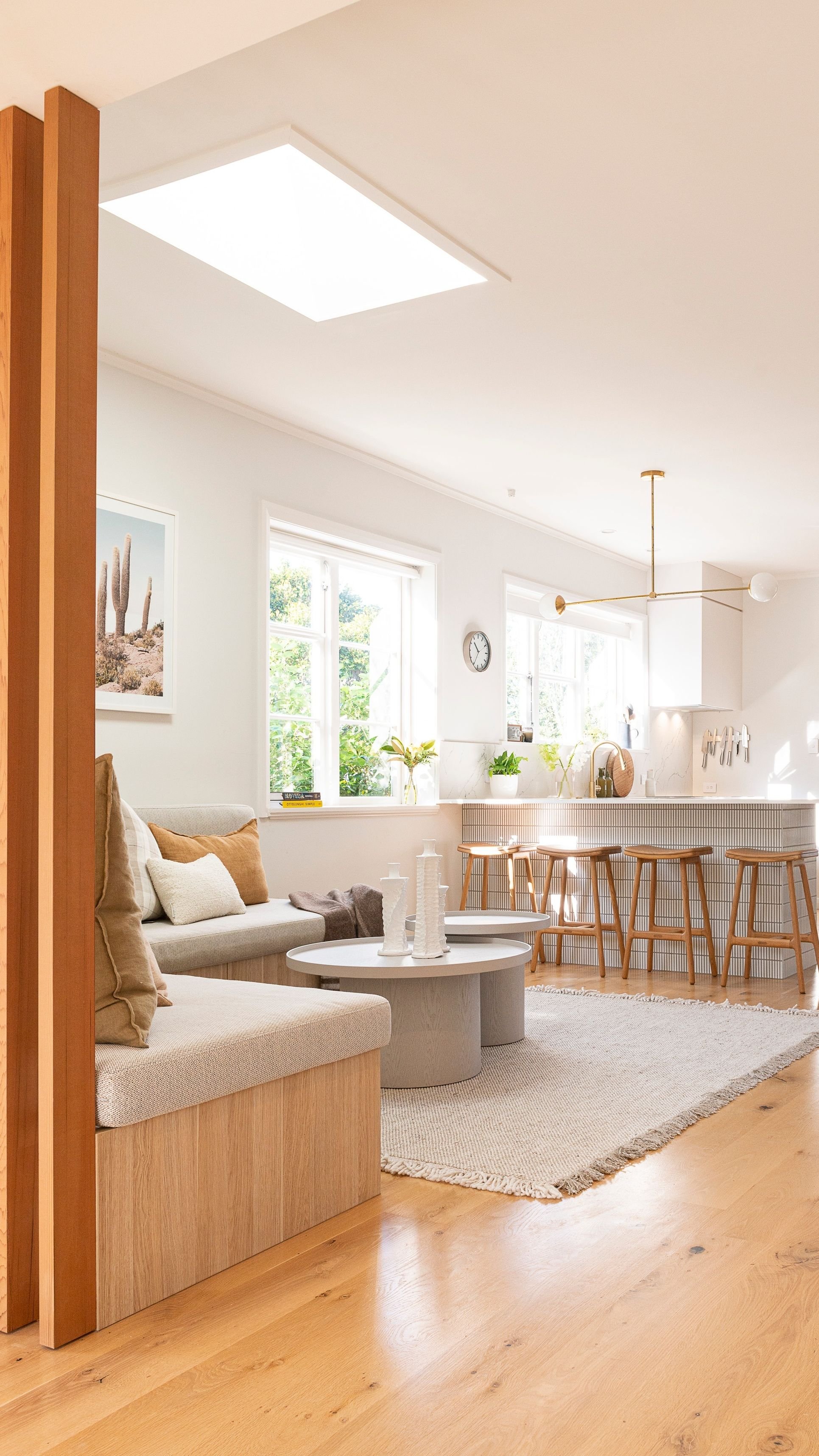
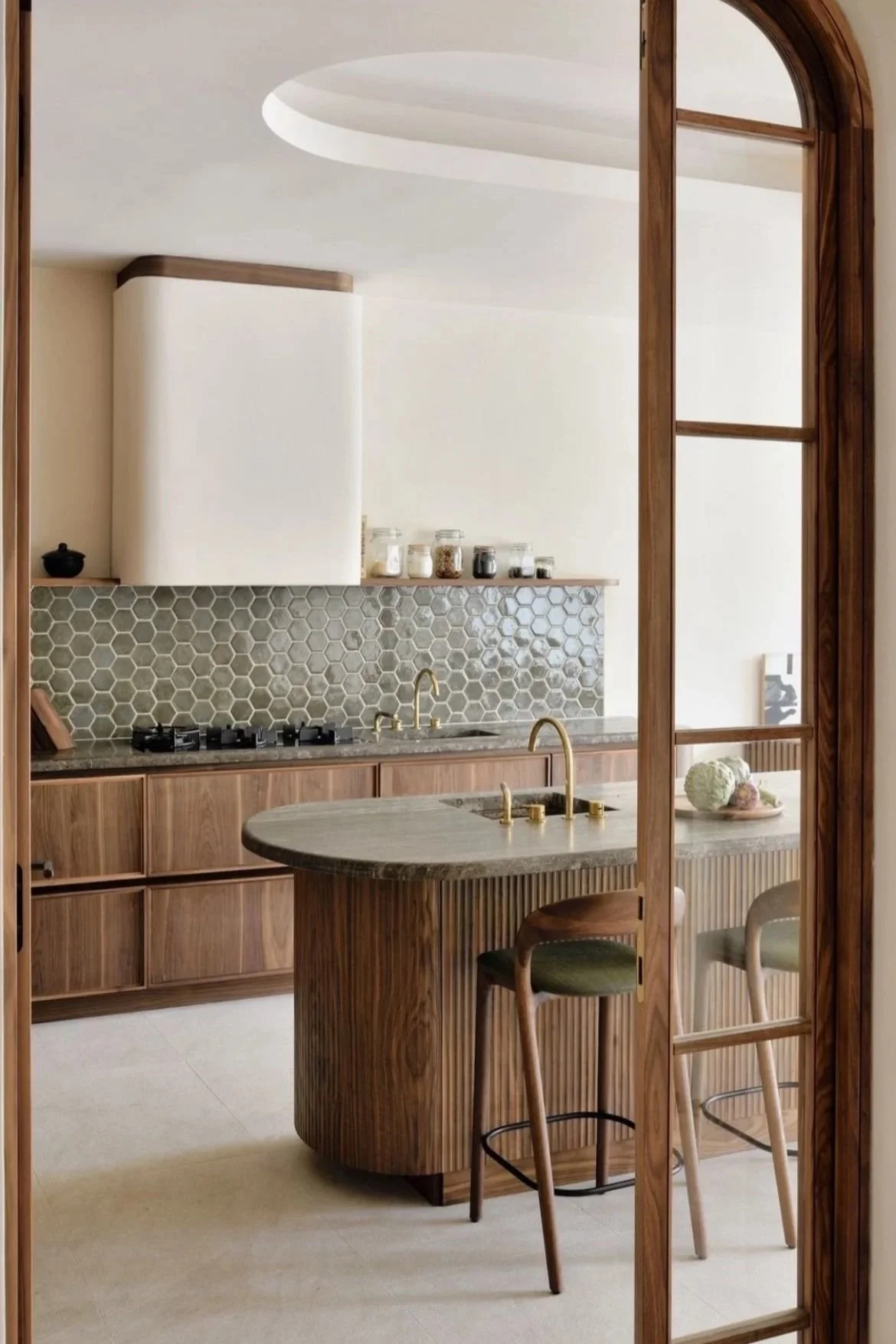
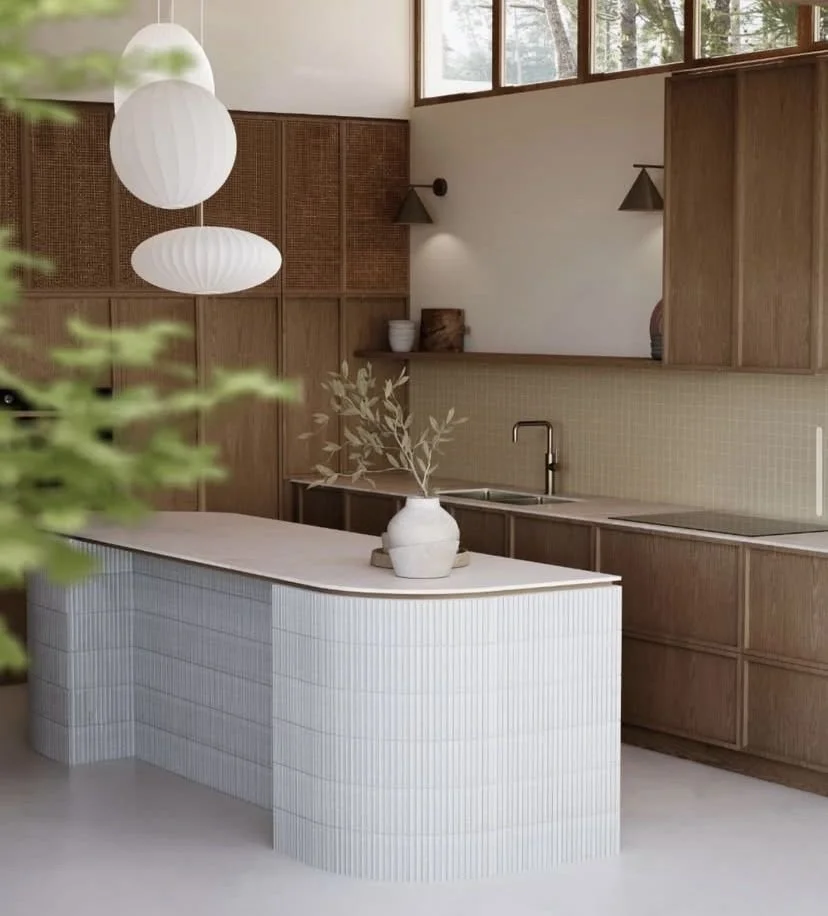
Islands are getting more exciting every year. The front of the island has become a place to play with materials:
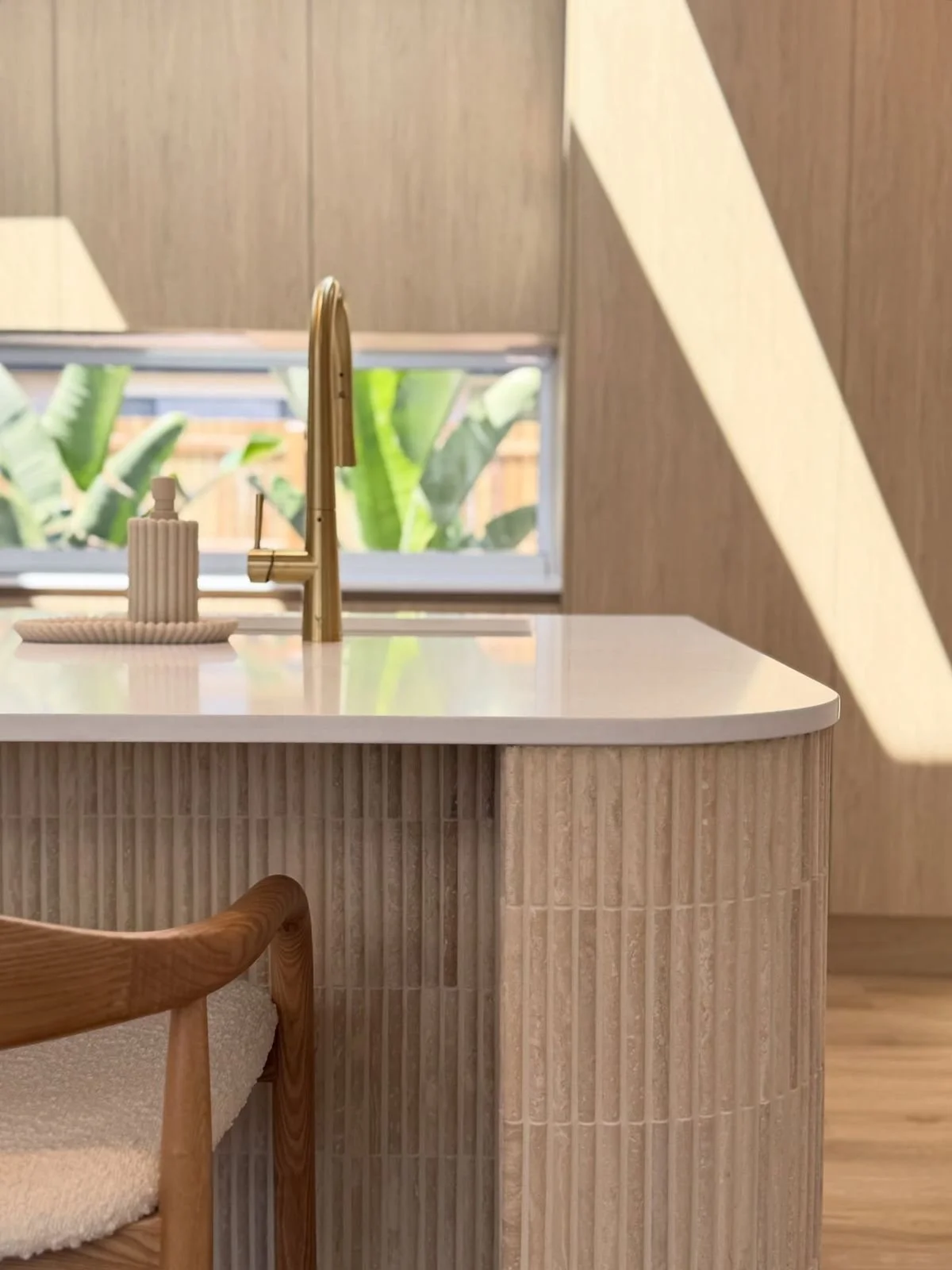
Tiled fronts, fluted timber, architectural mouldings.
Open shelving at one end for cookbooks, baskets and styling moments.
Wrap it in a contrasting colour or finish to set it apart from the rest of the cabinetry.
Curves are the big move for 2026 — and not just on islands. We’re seeing curves across cabinetry corners, extractor hoods and even tile work (curved or scalloped layouts, arched splashback panels). A softly curved island bench changes the whole feel of a kitchen and works just as beautifully in a minimalist scheme as it does in a maximalist one.
Worth knowing: if you’re going for a curved island, your benchtop choice matters — not every material can be curved cleanly. Have a chat with your stone supplier and designer early.
A note on layout: if you can possibly avoid it, steer clear of a U-shape kitchen. Corner cupboards are notoriously awkward — you lose useful storage to the dead space at the back of the cabinet, and even the cleverest carousel mechanisms feel fiddly day to day. An L-shape with an island, or a galley with an island opposite, gives you more usable space and a better flow.
Lighting
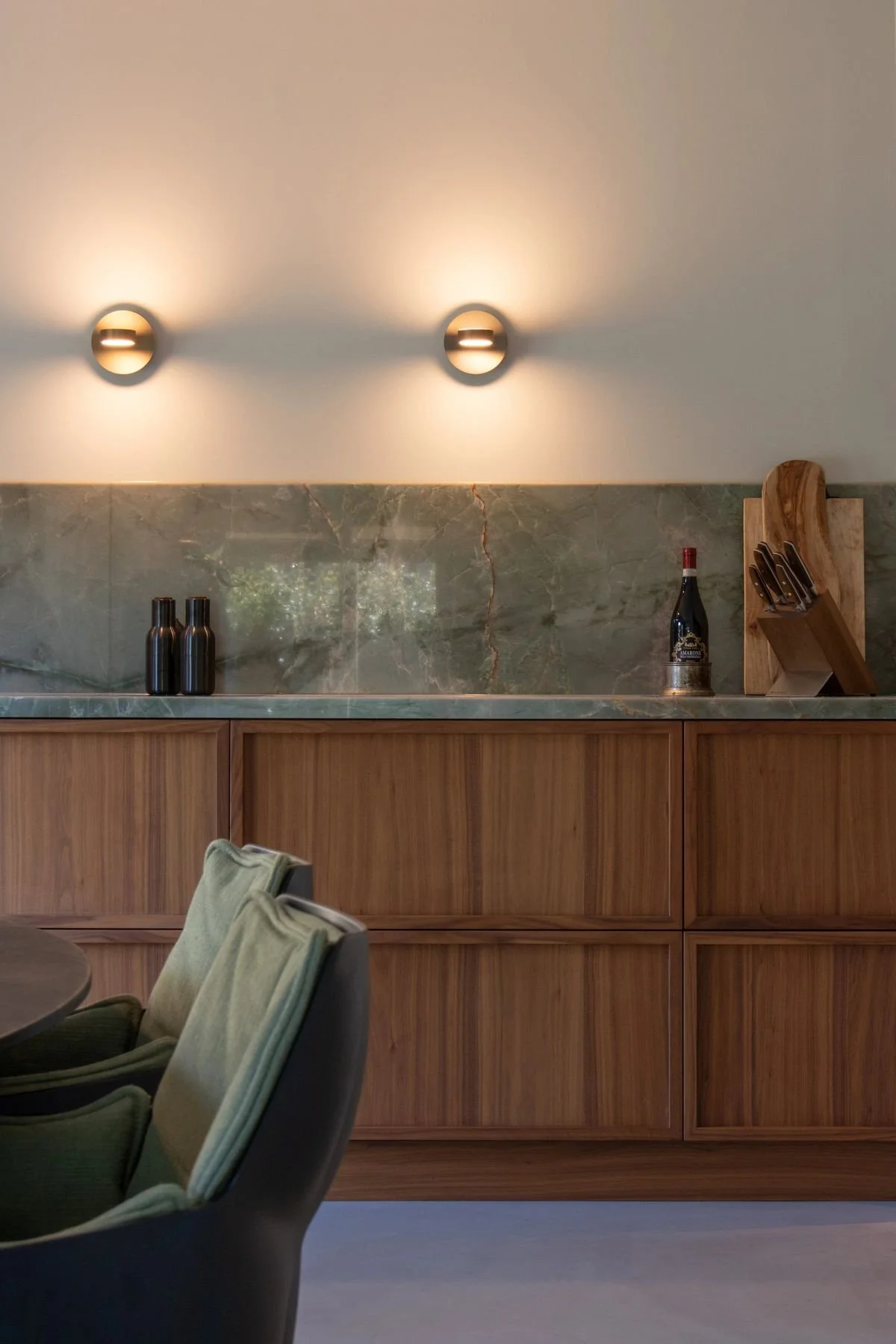
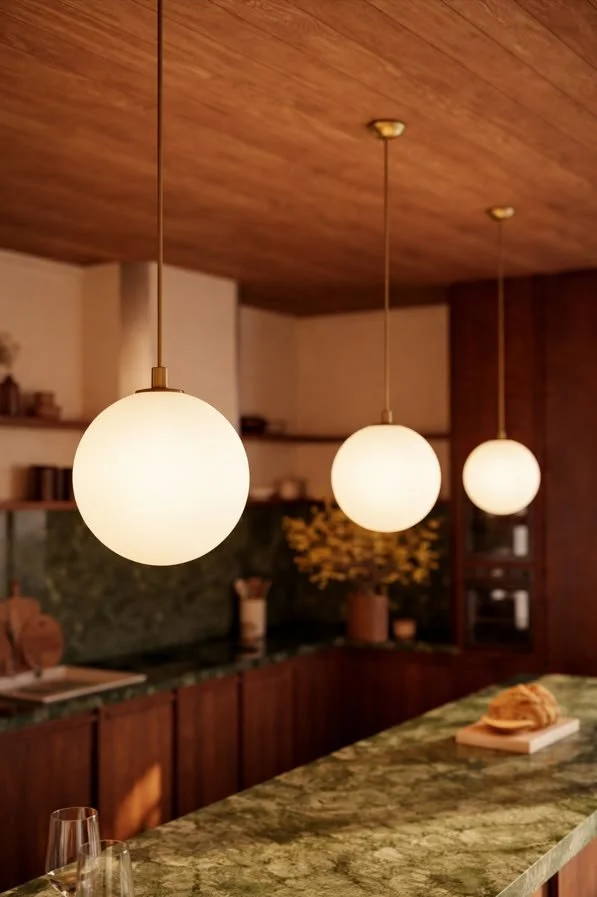
We covered the trends side of kitchen lighting in Part One — bigger fittings, clusters of pendants, wall lights, the return of feature lighting. Here we’re focused on the technical side.
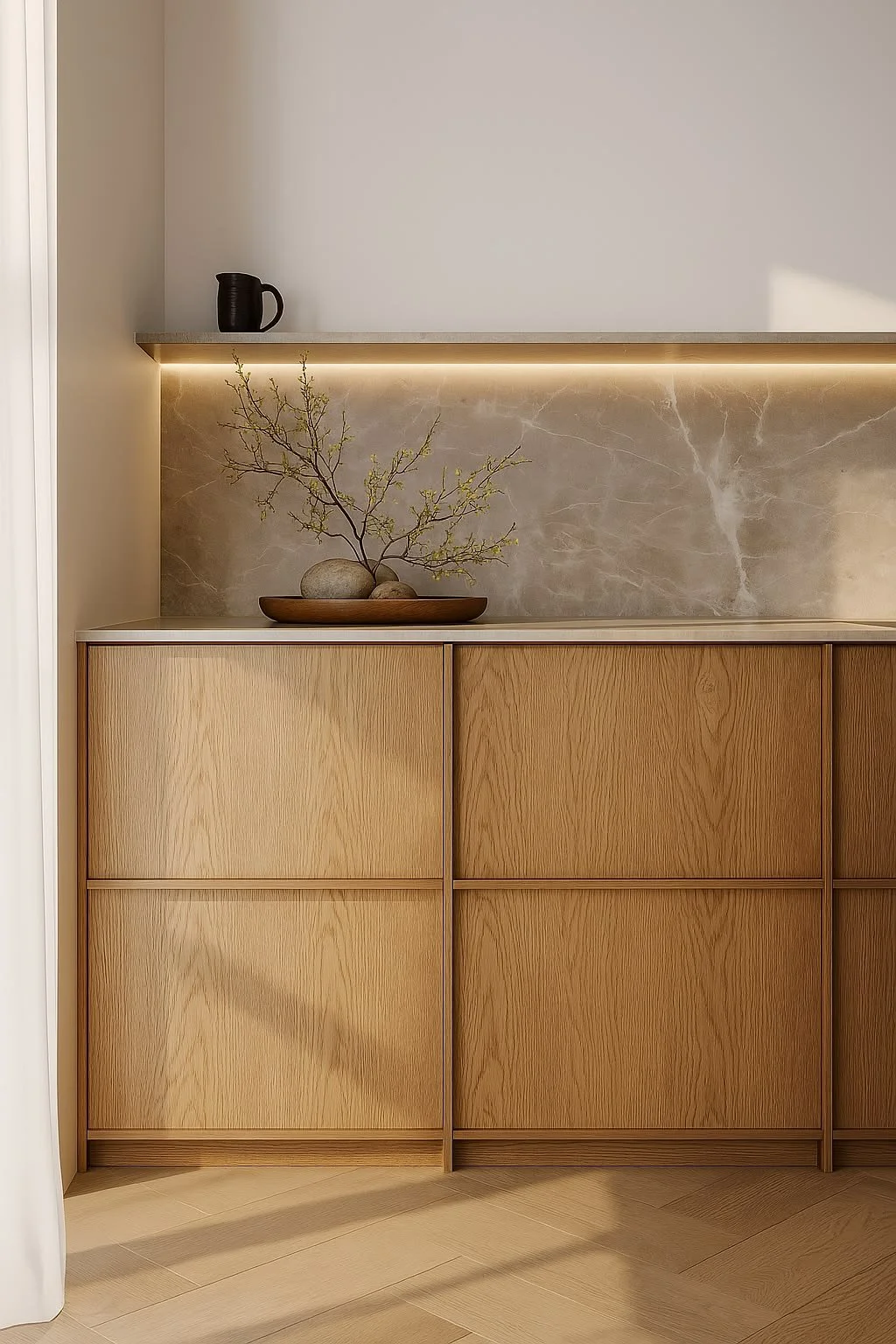
A well-lit kitchen is never one light. You want three layers working together: task lighting for the working zones (over the sink, hob and prep areas), ambient lighting for the overall glow, and feature lighting for personality. Get them on separate dimmable switches and you can shift the room from midweek dinner prep to a Saturday-night dinner party without touching a bulb.
Two things worth knowing:
Warm white every time. Cool white reads clinical and drains the warmth out of natural stone and timber.
Plan the lighting early. Wiring runs and switch positions have to be locked in long before the cabinetry lands — this is where a good designer earns their keep.
A word on under-cabinet LEDs. The minimalist LED strip may have had its day as a feature, but under-cabinet LED strips are still essential task lighting. Choose warm white, keep them properly recessed so you don’t see the light source itself, and put them on their own switch.
Sinks
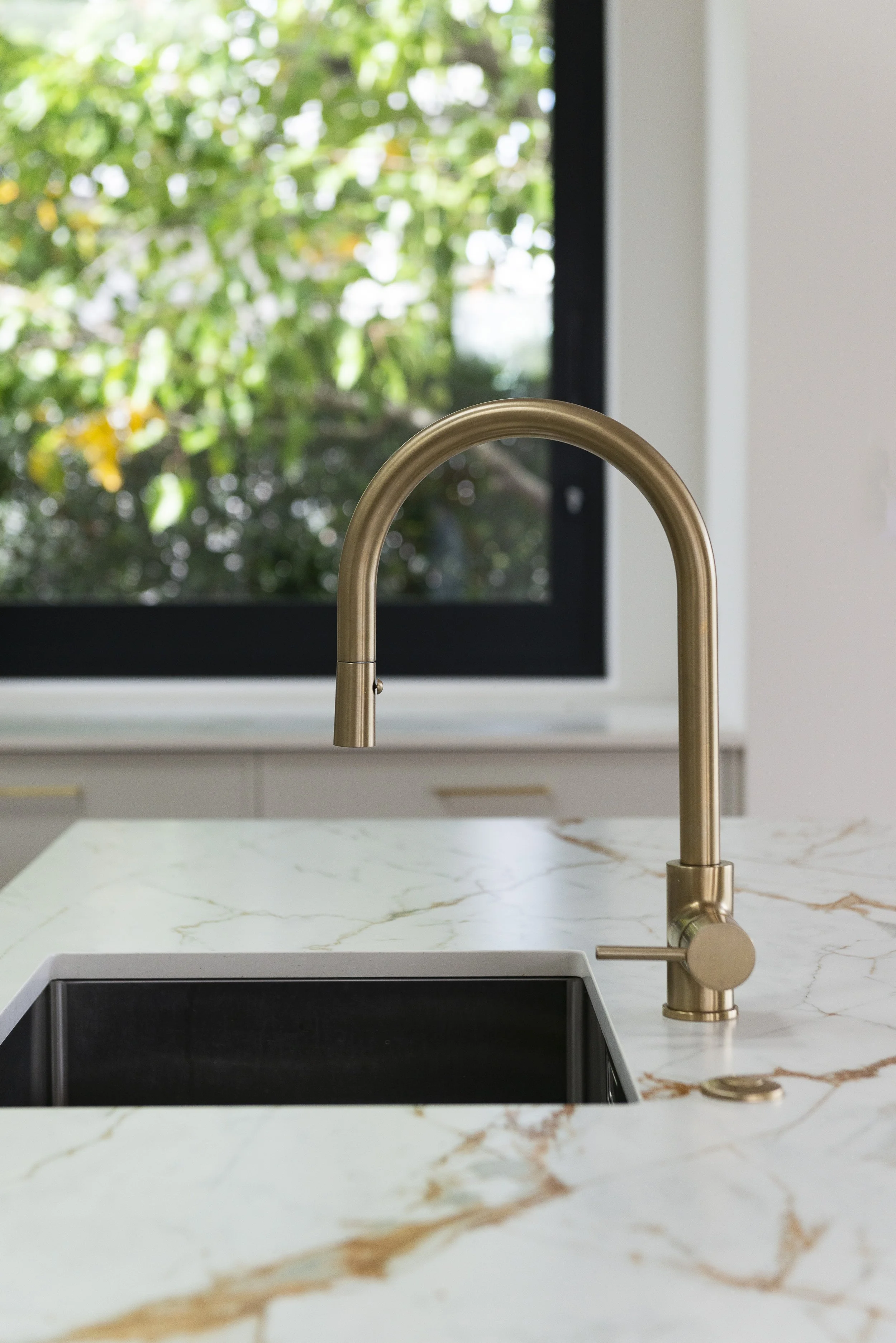
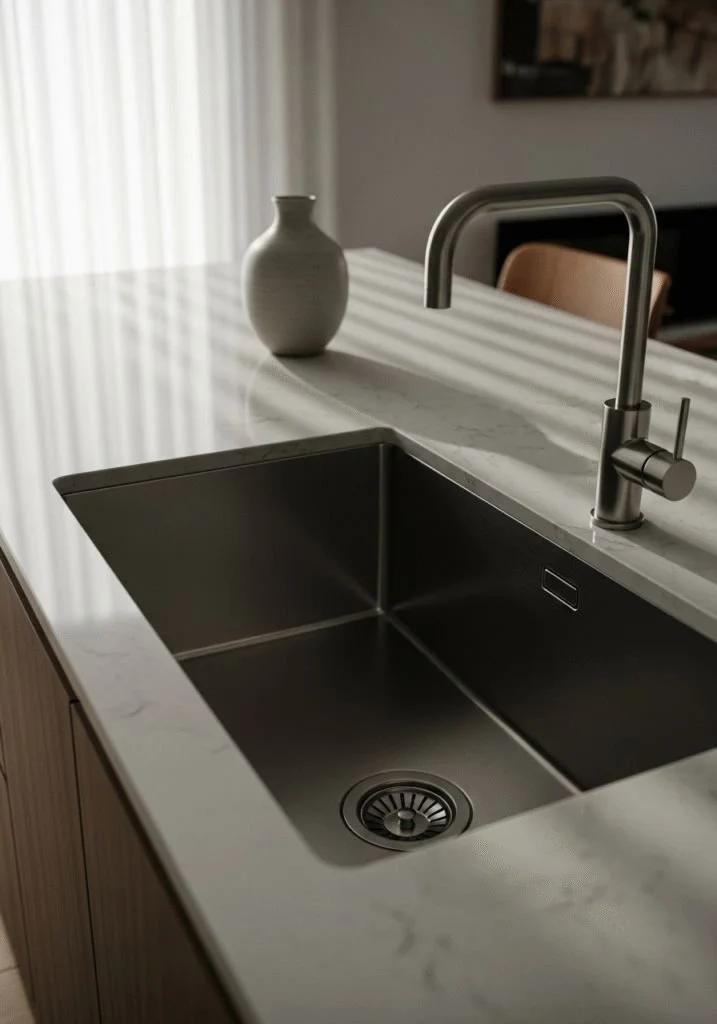
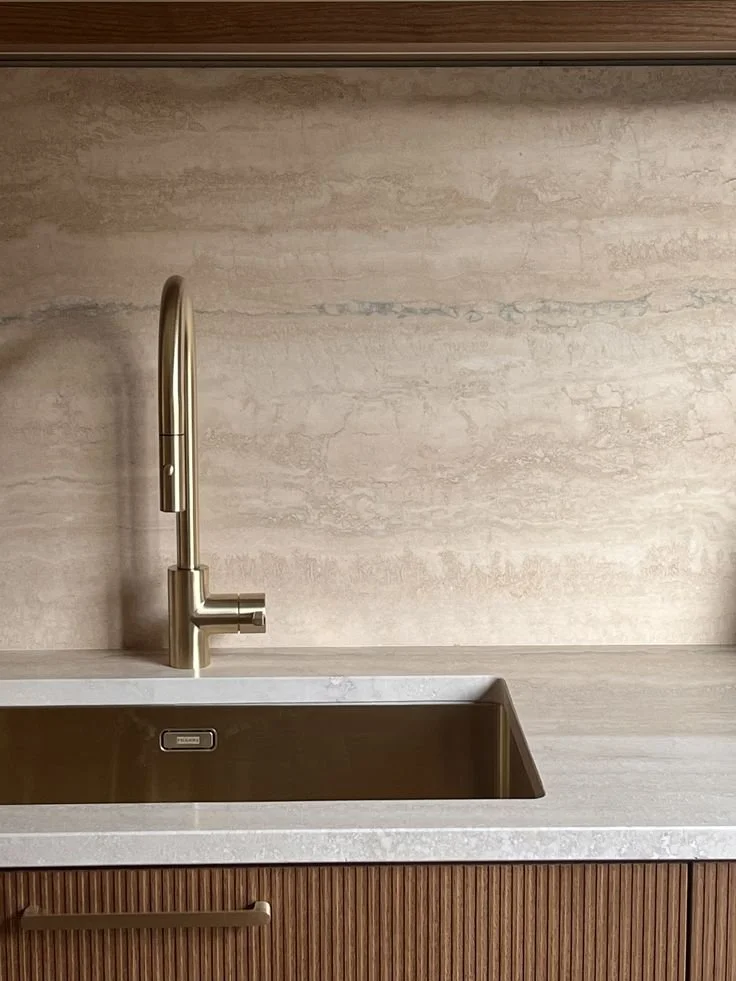
Stainless steel is still the most practical option and is being made to look beautiful again — integrated under a stone benchtop with a tidy radius is a lovely look.
If you have a dark benchtop, a dark sink is the safest bet.
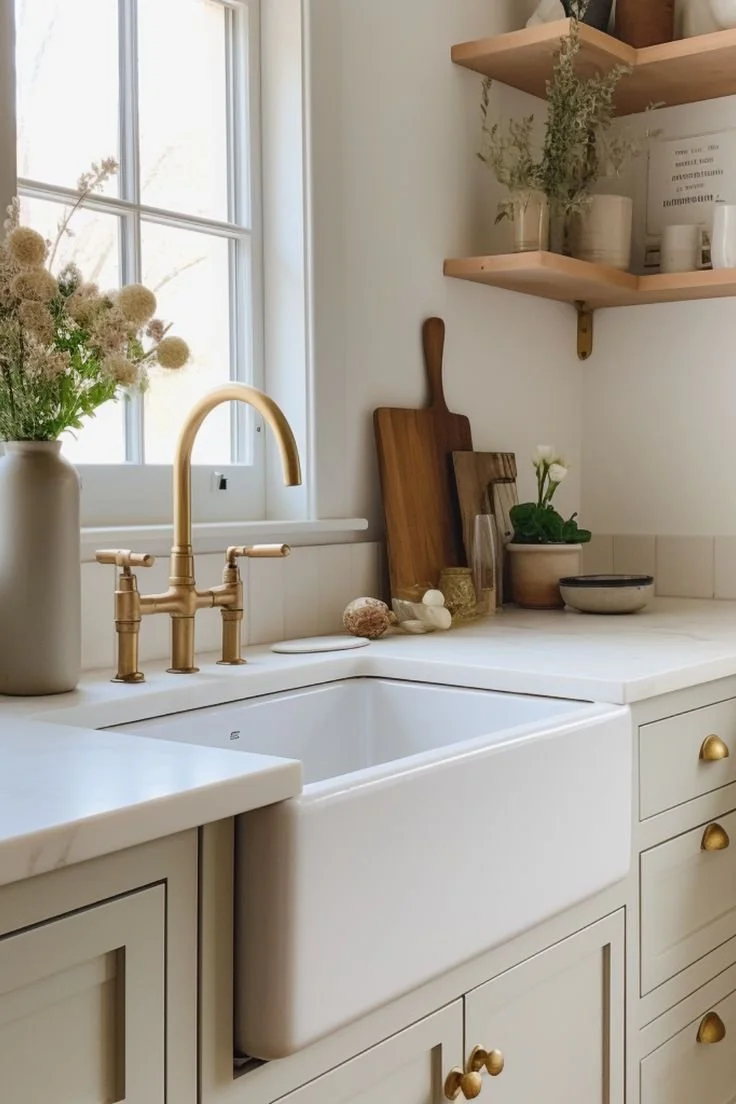
White integrated sinks look incredible but they will stain — best left to those who don’t mind a little upkeep, and definitely not the household with kids and busy mornings.
For 2026, lean toward keeping the sink quiet and letting the stone and cabinetry do the talking.
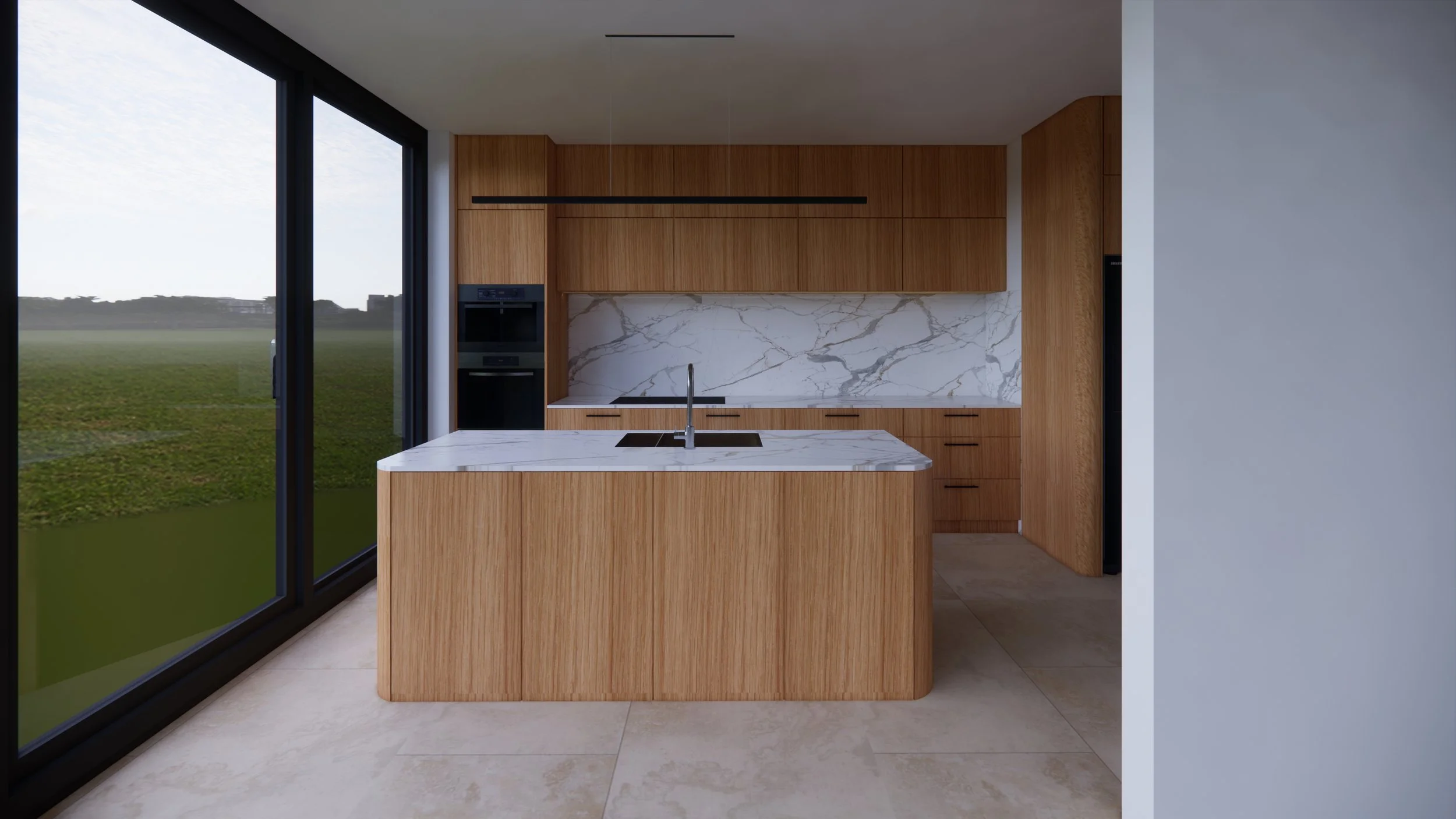
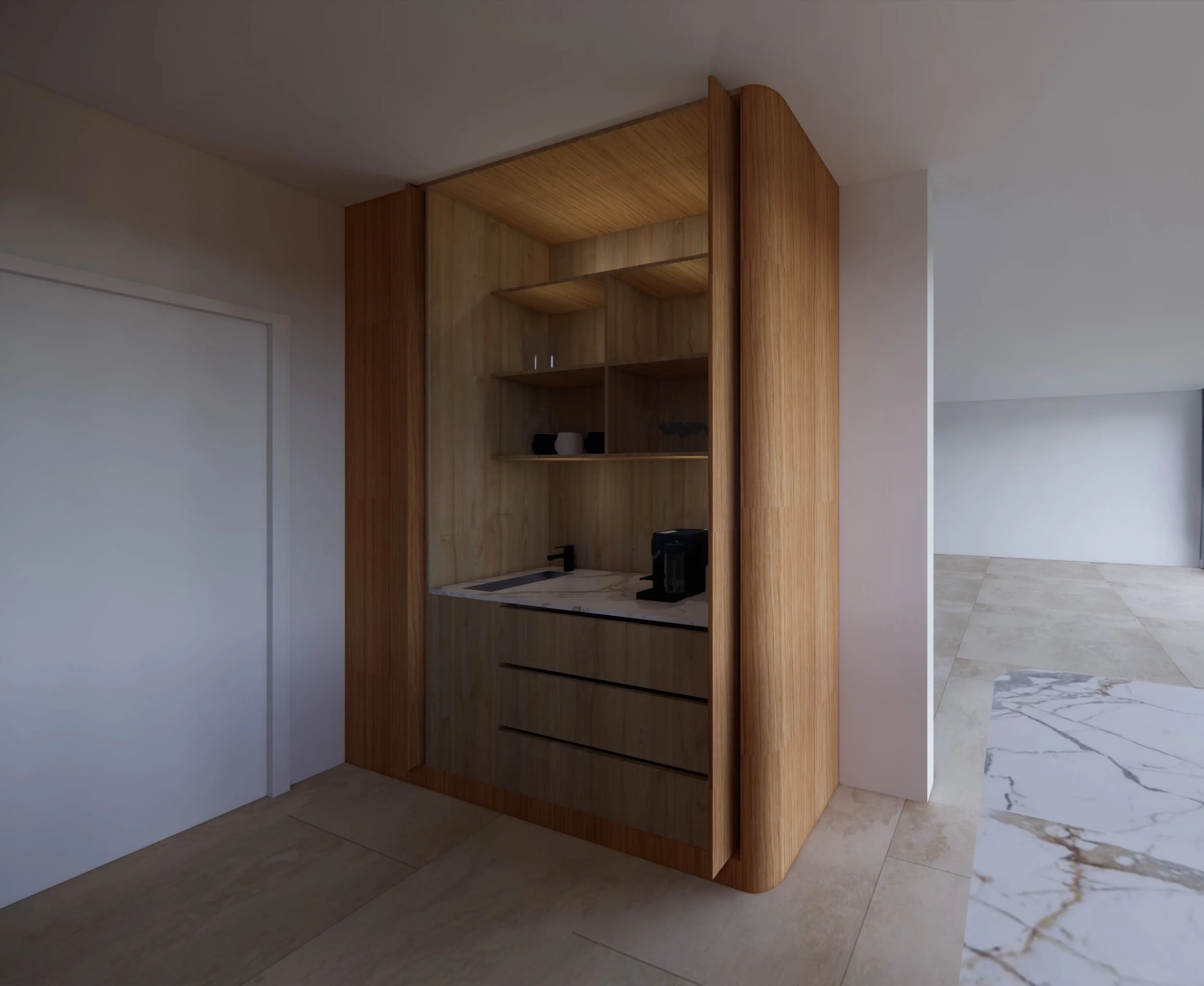
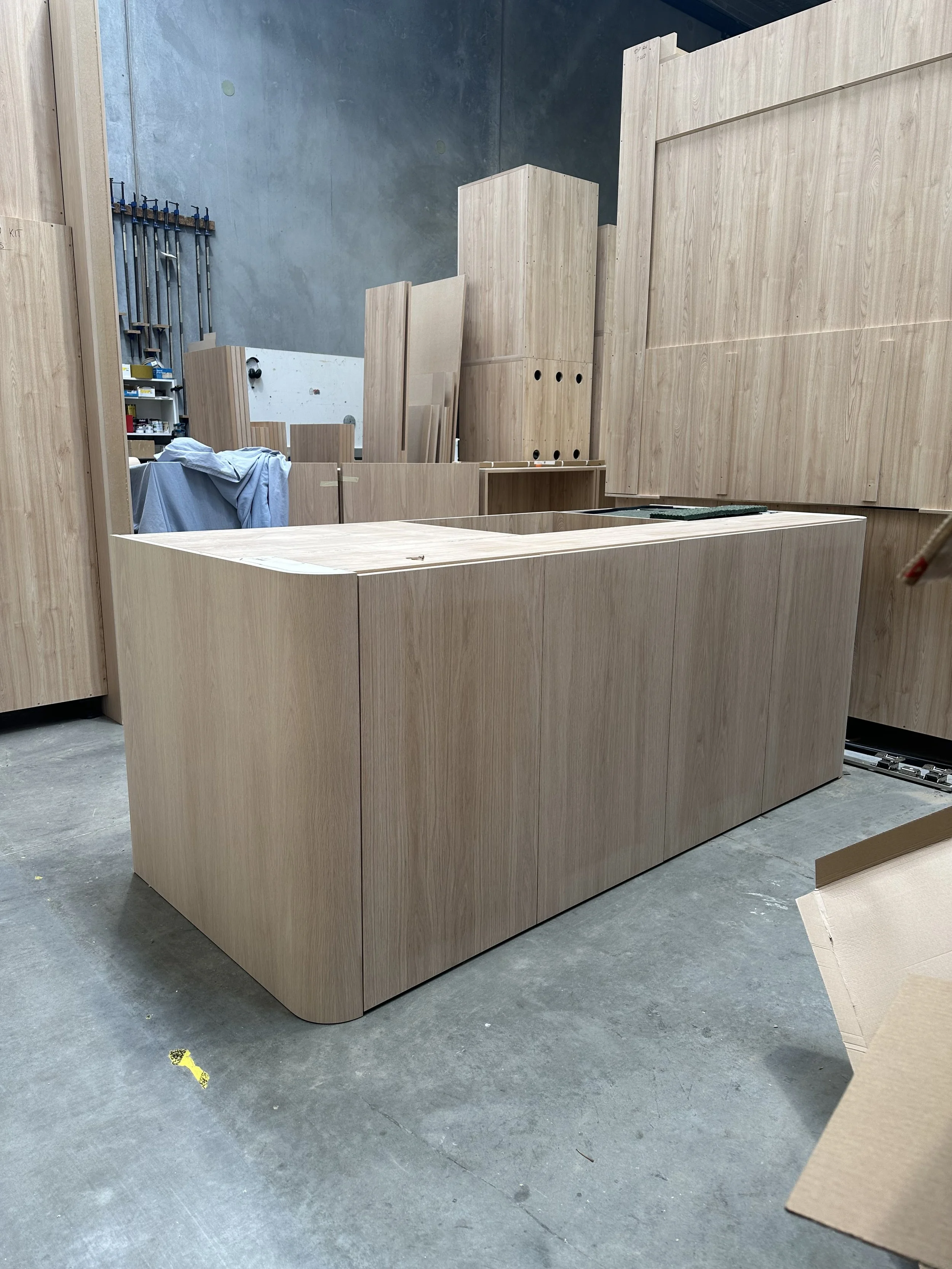
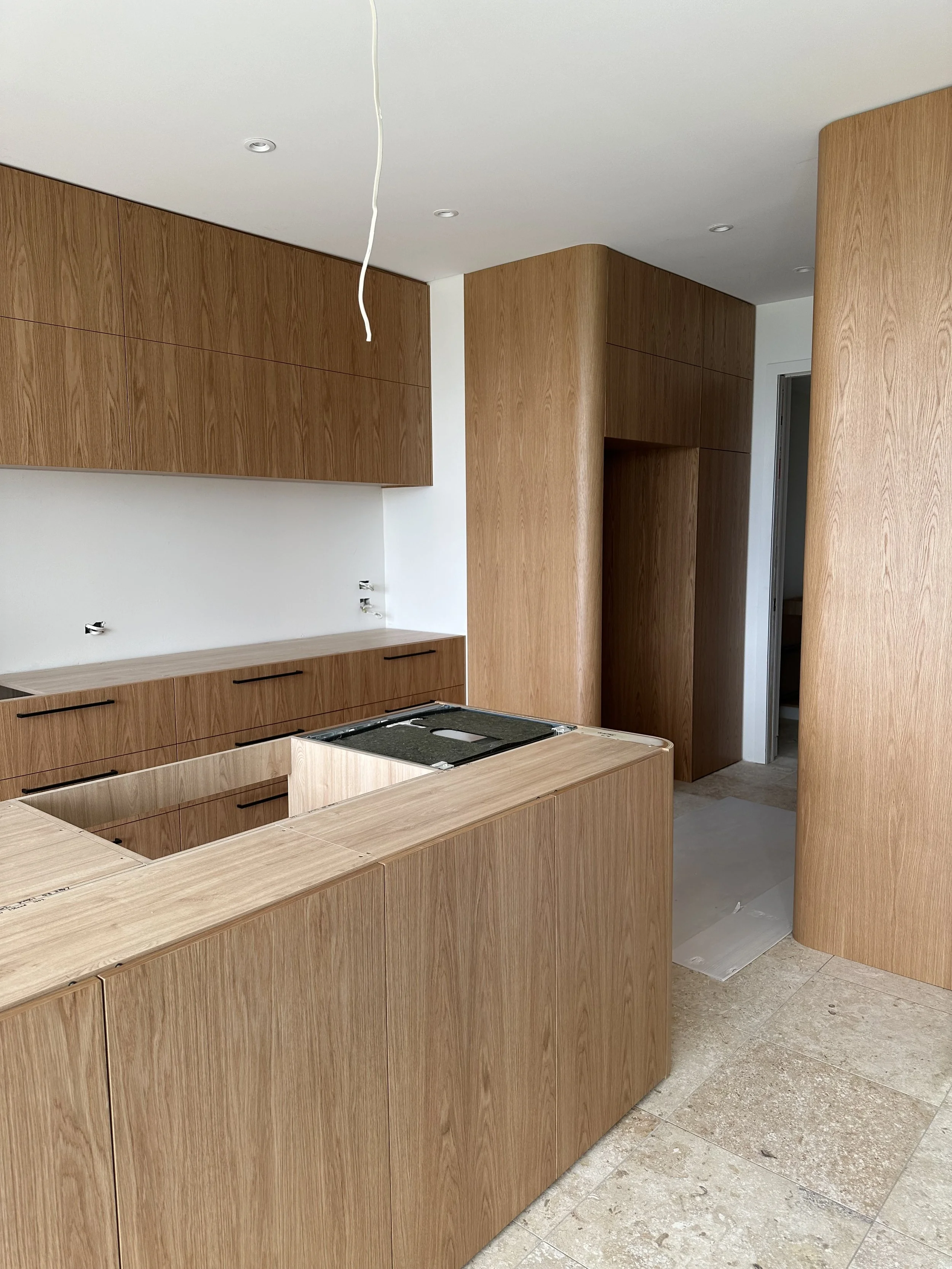
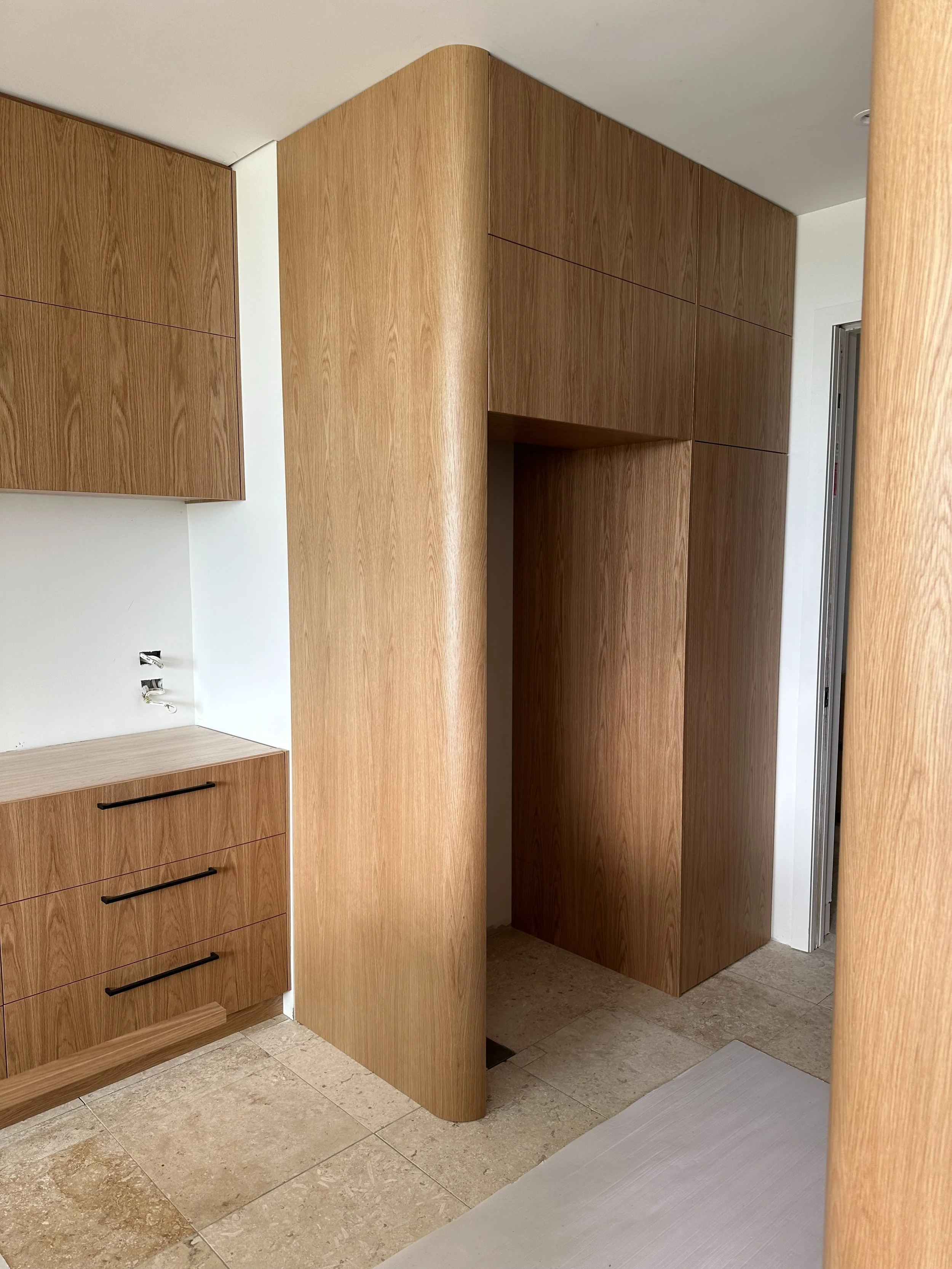
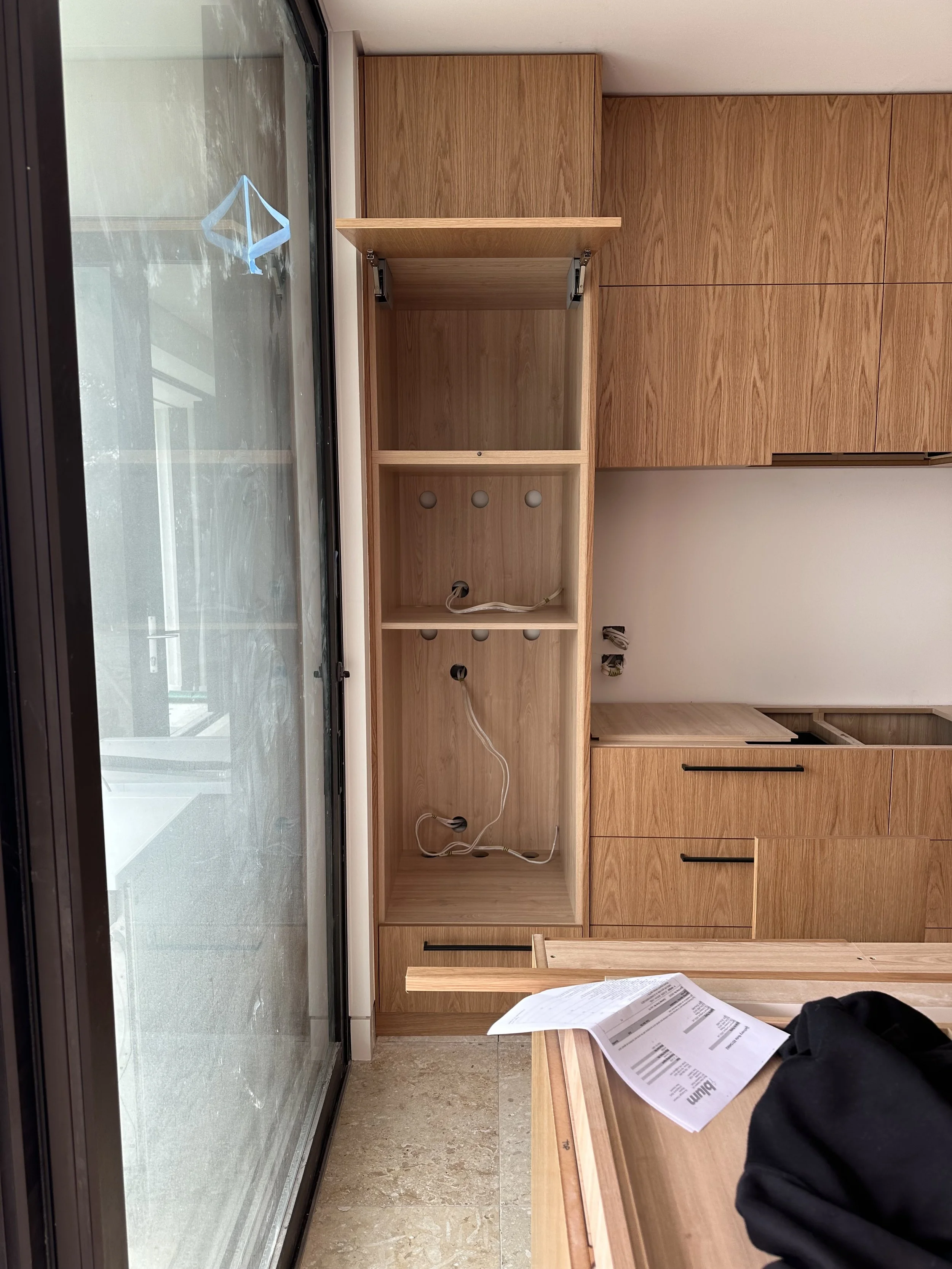
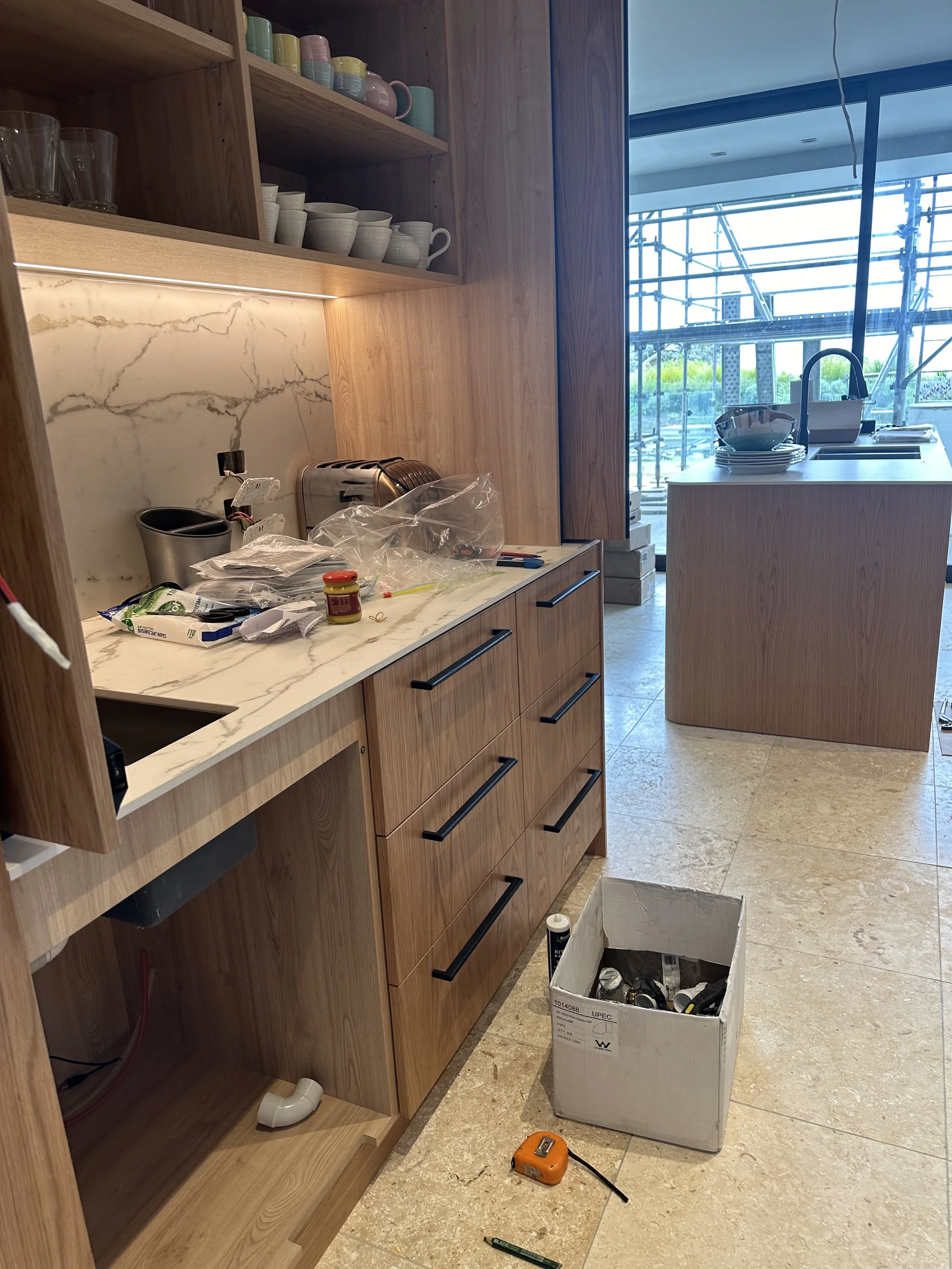
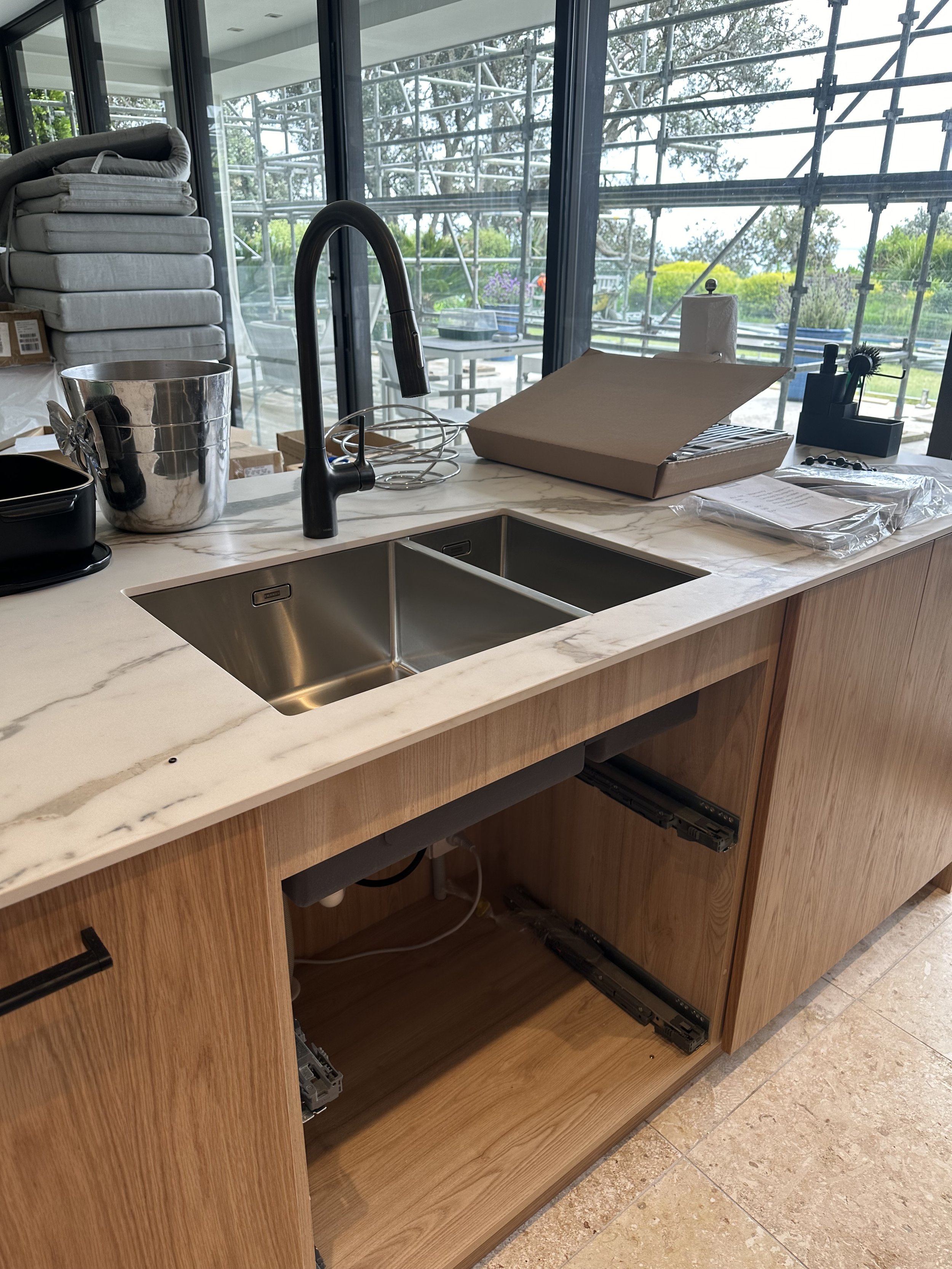
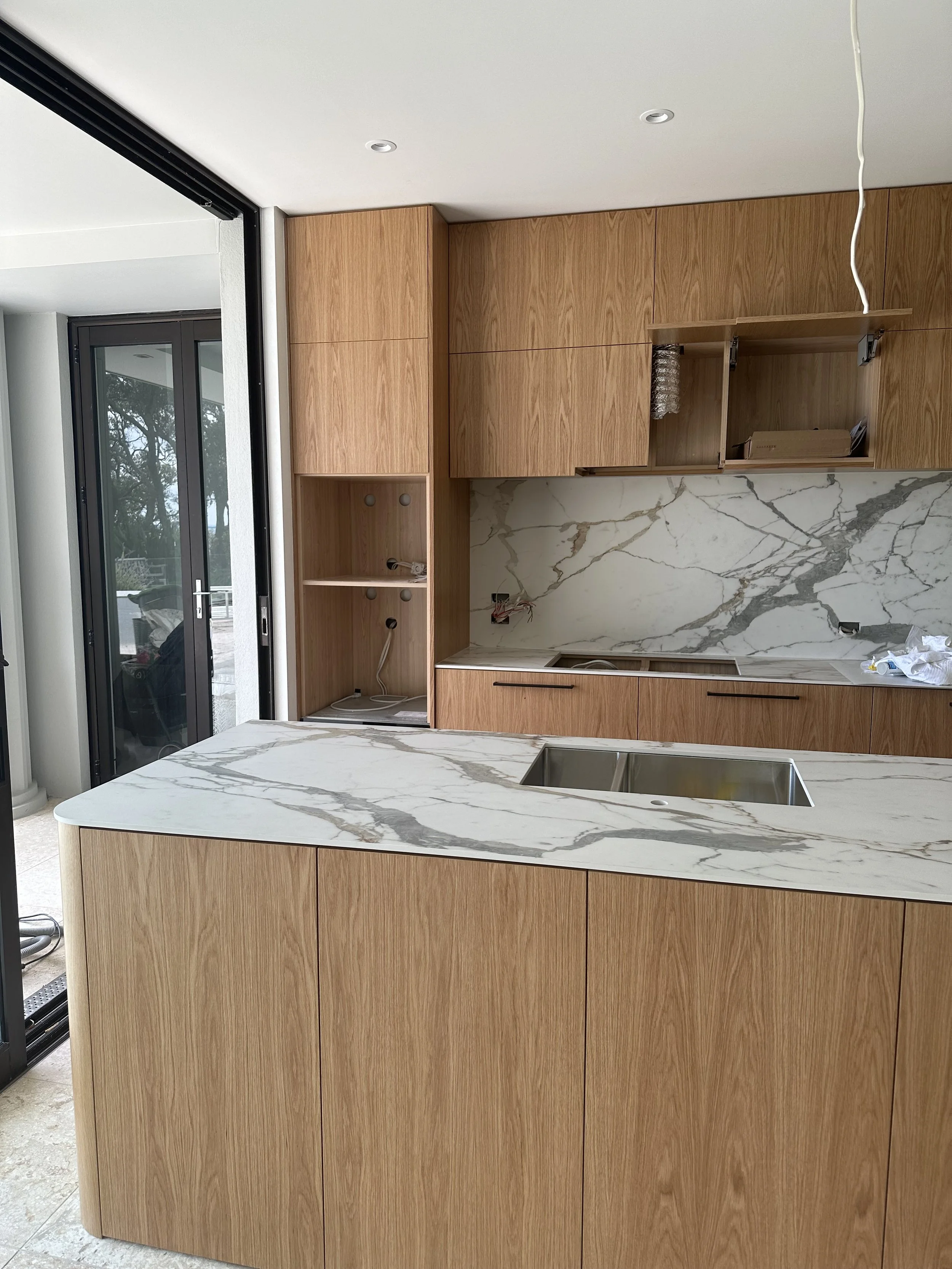
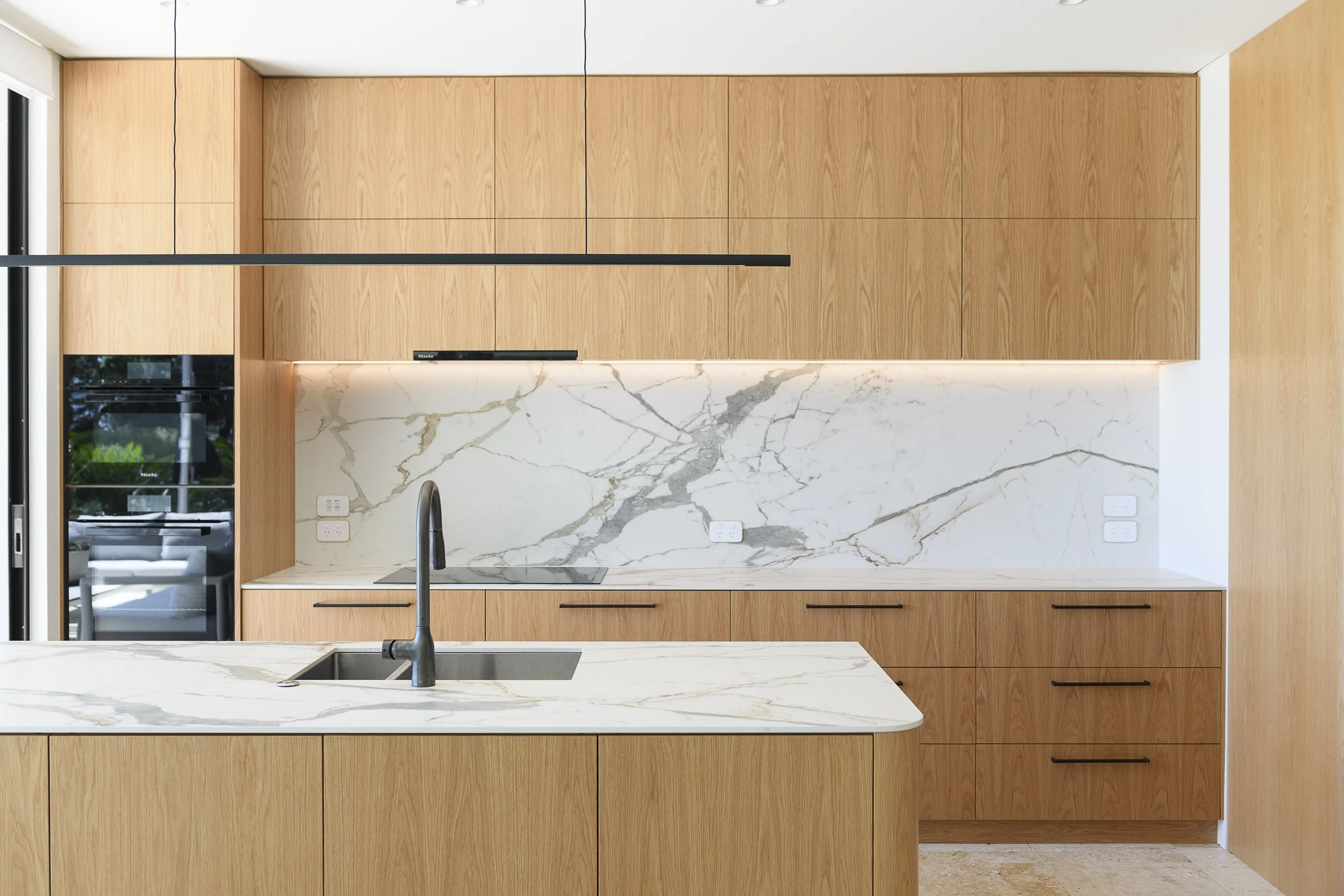
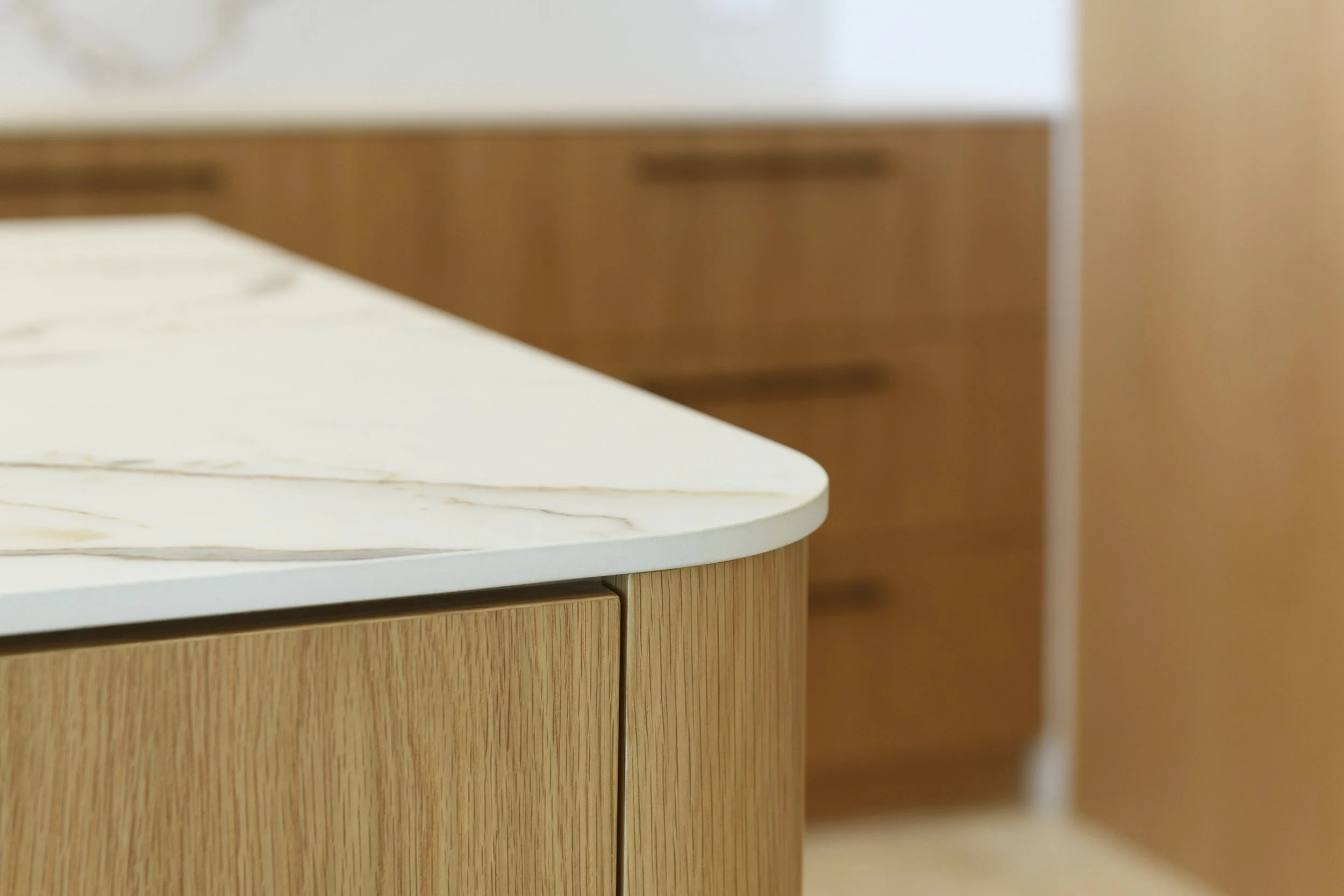
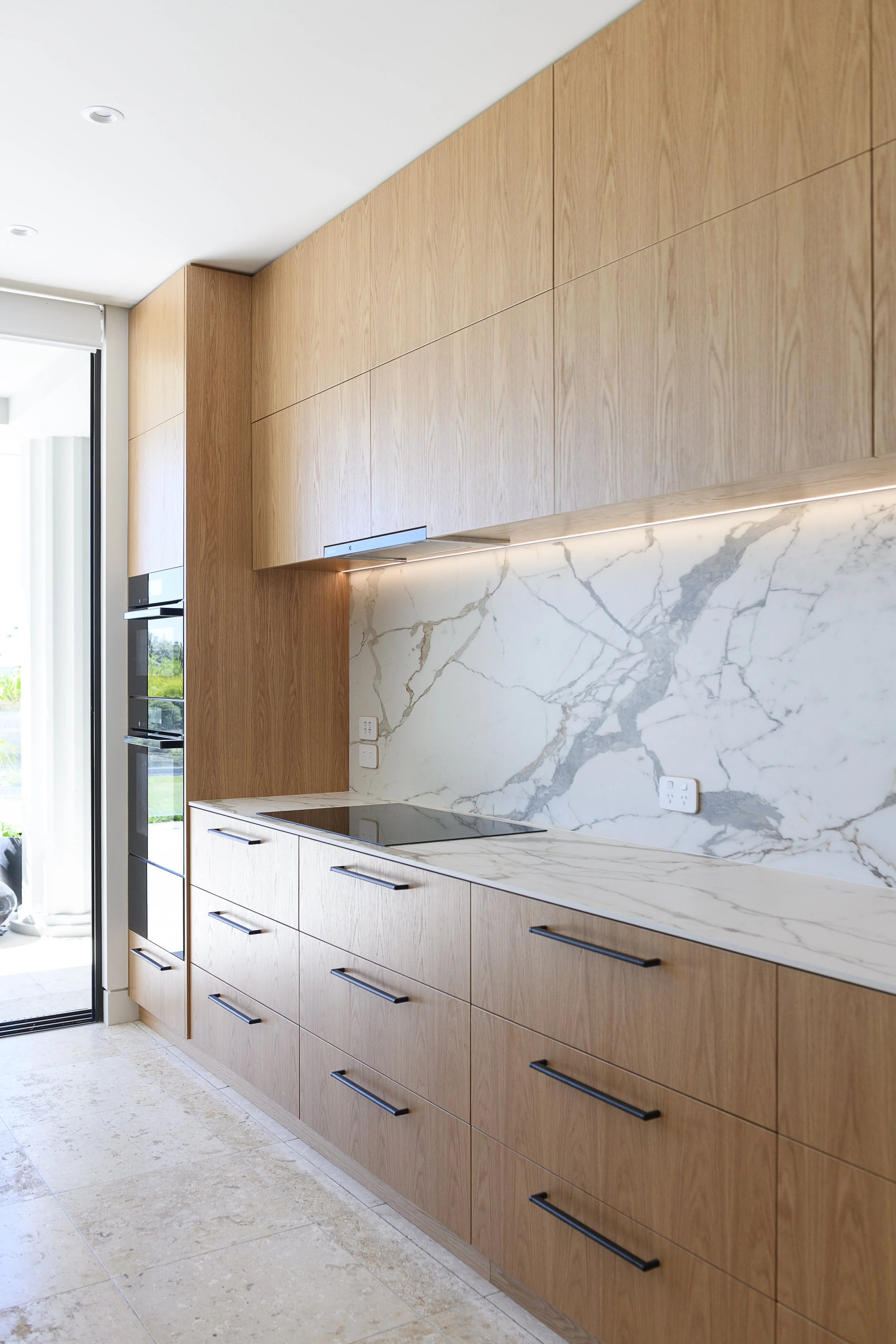
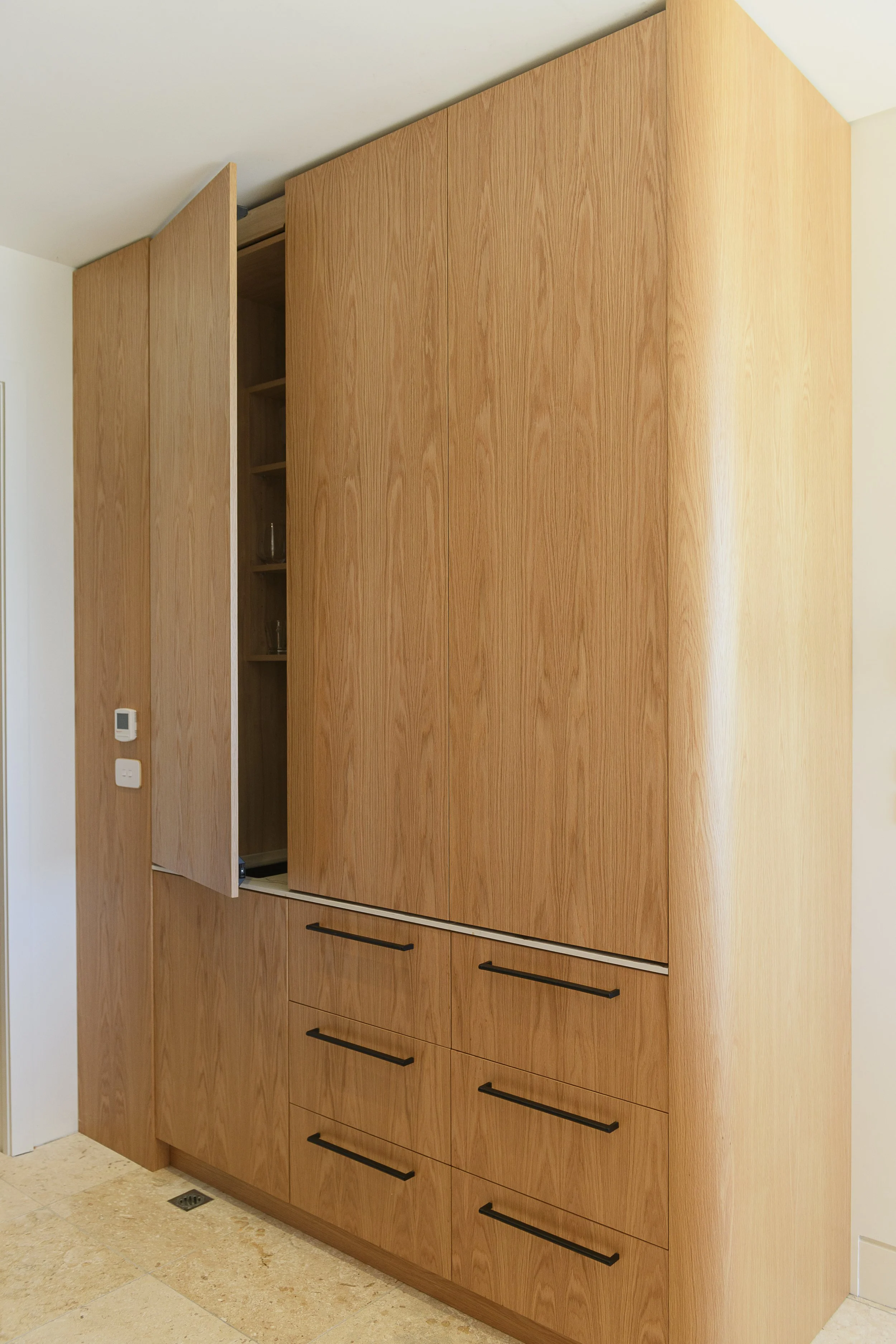
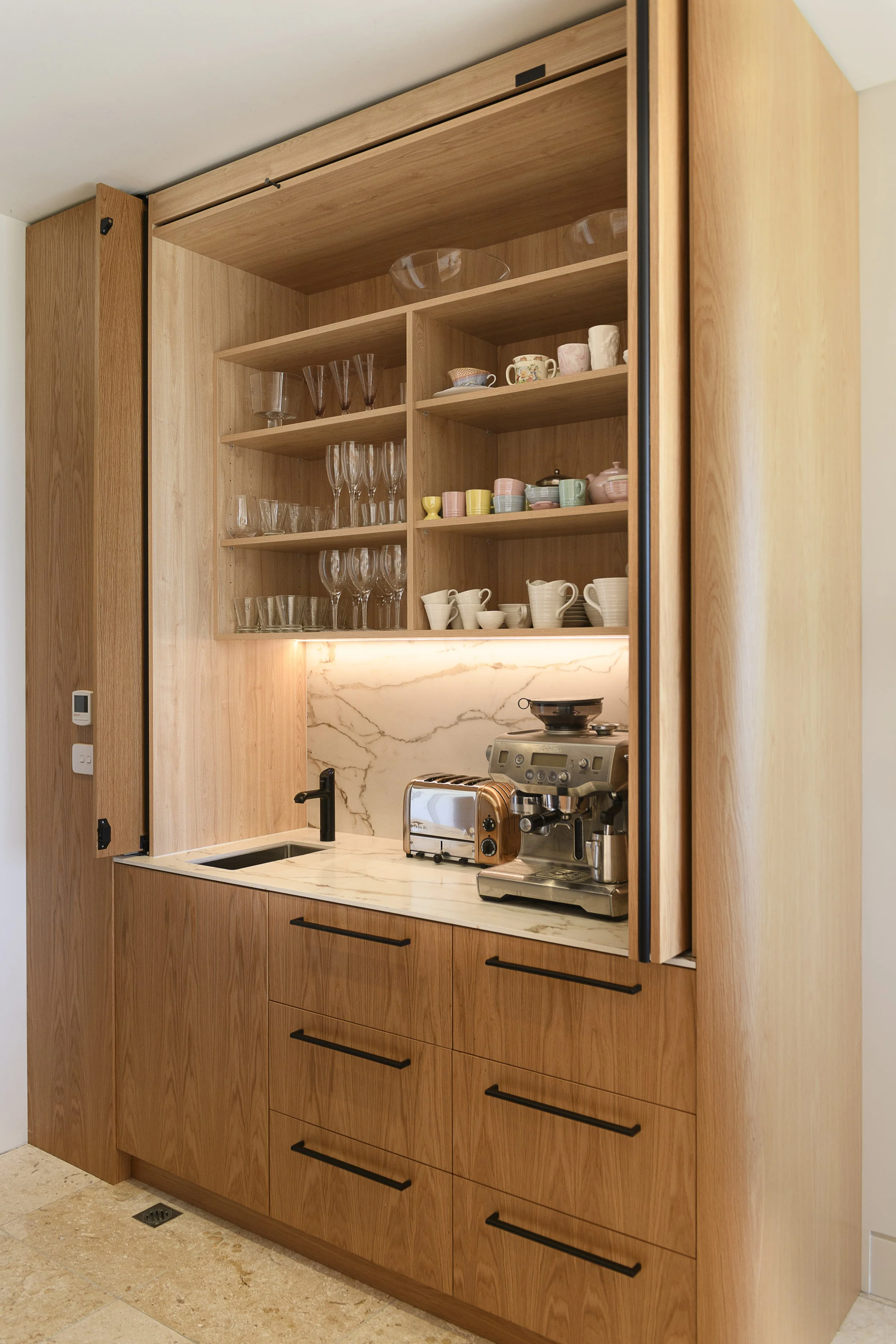
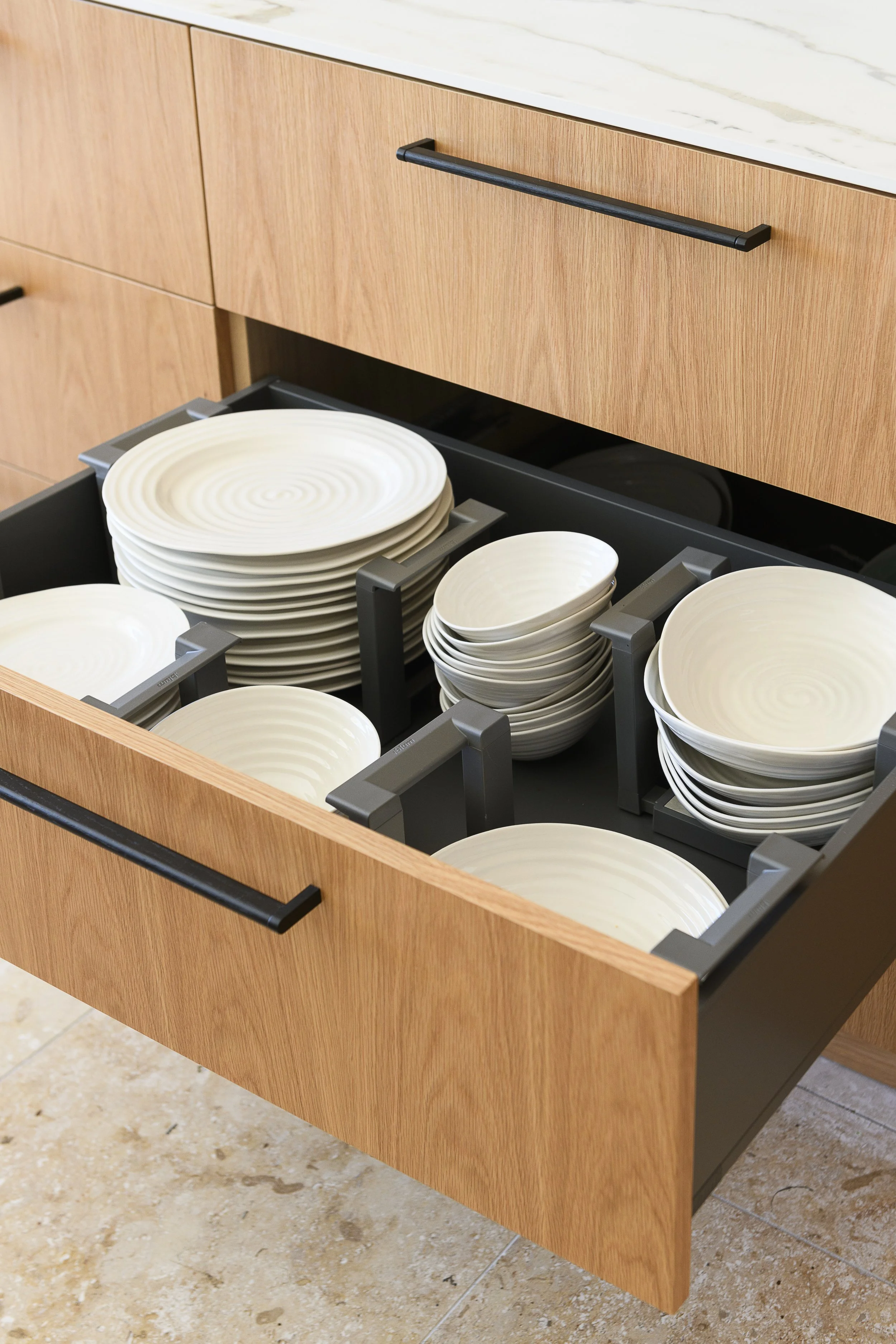
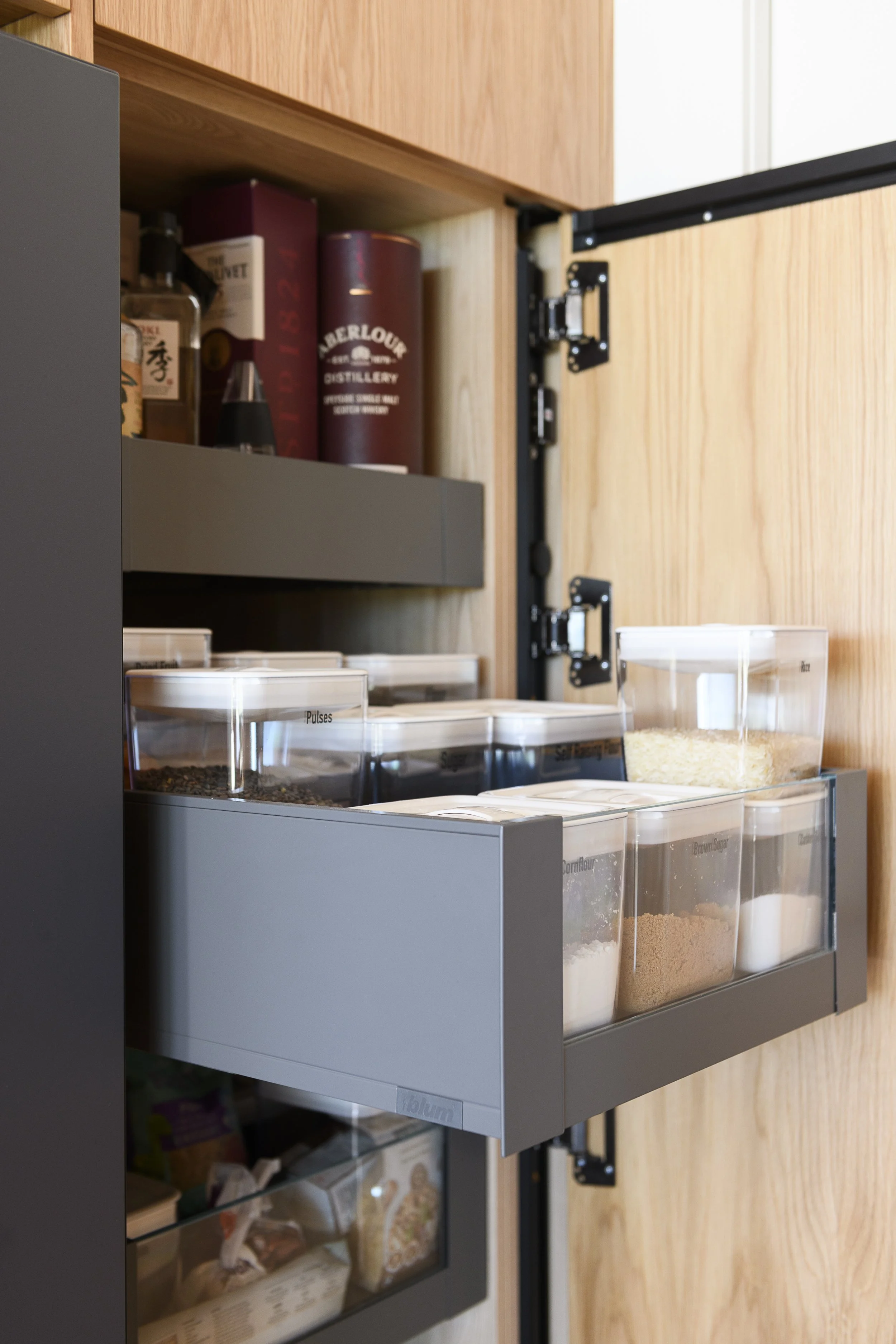
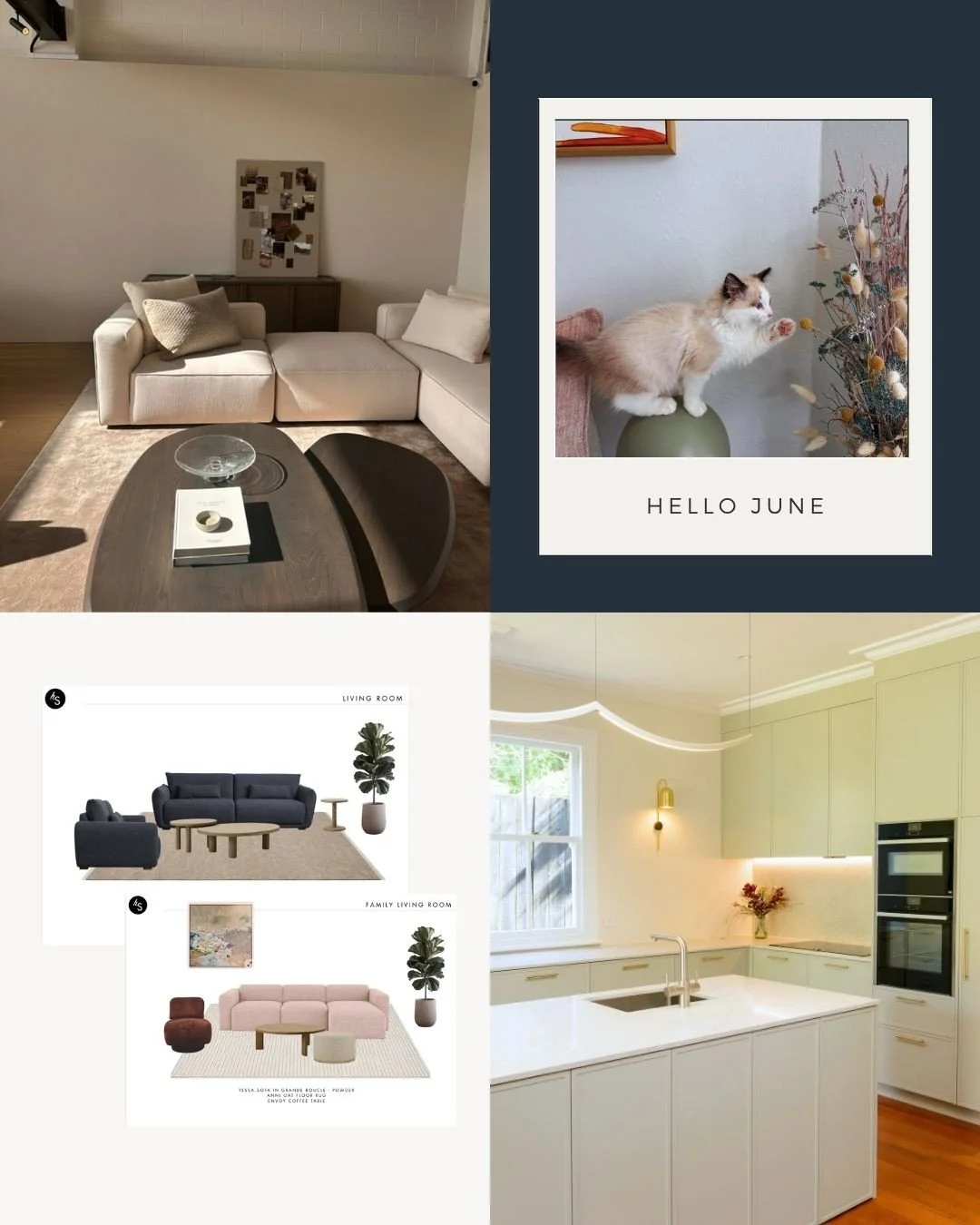
Hello Saturday's Ocean View apartment renovation — kitchen renders, progress photos and the finished project. View Project here.
So, where do you start?
The technical decisions are where good kitchens become great ones. Choose your style first — minimalist or maximalist — then let that drive every product choice: the benchtop, the cabinetry, the handles, the lighting.
And our final tip: get your interior designer involved as early as possible. The choices that lock in early — layout, materials, budget, the way you’ll actually use the space — are the ones that shape every decision after. We add the most value at the start of the project, alongside your architect and builder, not at the end choosing tiles and handles.
Trends will keep moving, but a kitchen designed with intent will always feel like yours.
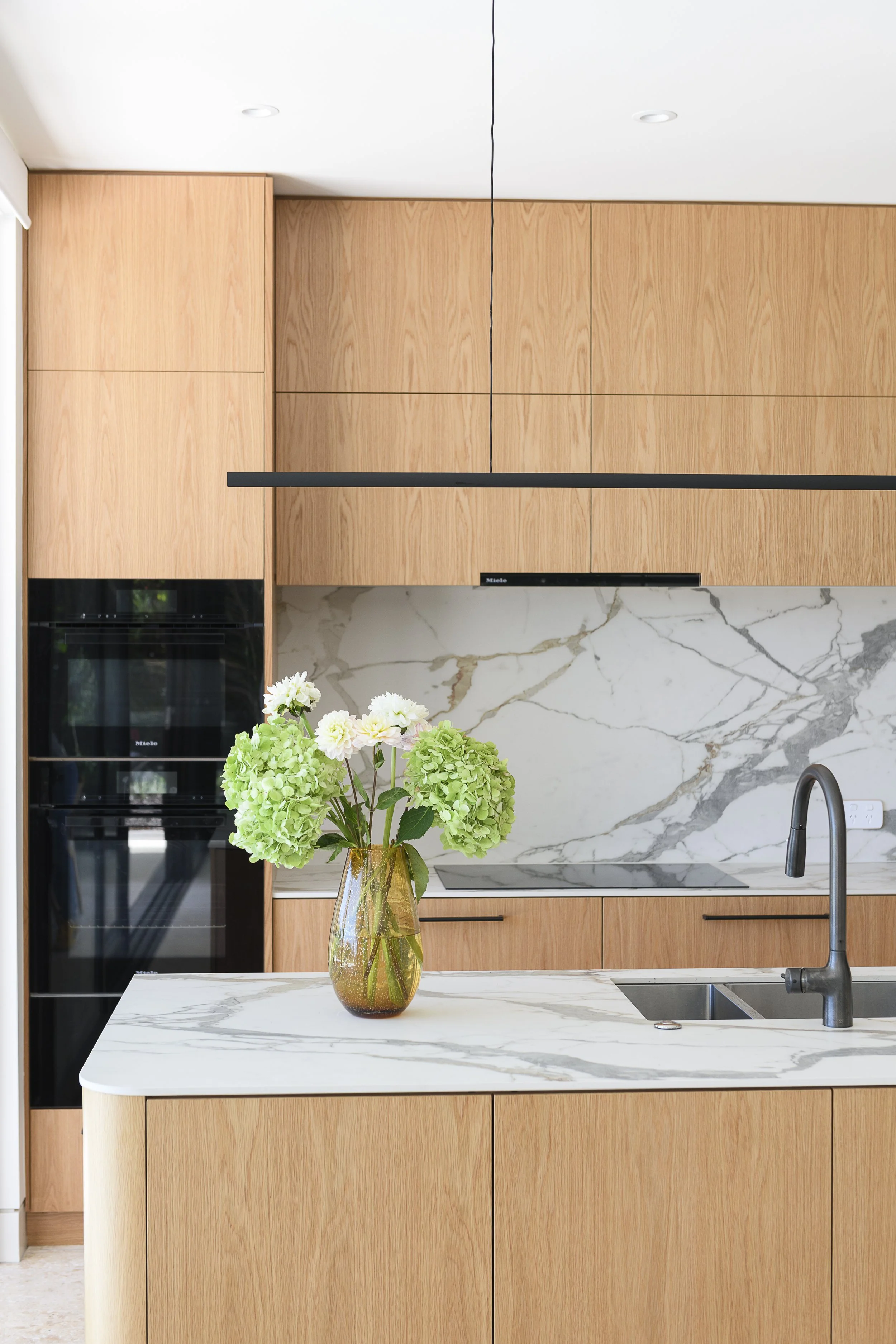
Why Choose Hello Saturday for Your Next Kitchen Design?
While many kitchen companies focus solely on the cabinetry, we design your kitchen as part of your entire home.
We create your kitchen plans in-house and work with trusted cabinetmakers to deliver a bespoke result. More importantly, we consider how your kitchen connects with the surrounding spaces, the architecture and character of your home, and the way you live. Whether you own a villa, bungalow, or contemporary home, every decision—from the layout and flow through to lighting, flooring, paint colours and finishes—is made with the bigger picture in mind.
The result is more than a beautiful kitchen. It's a home that feels cohesive, flows seamlessly, and is thoughtfully designed around your lifestyle.
Missed Part One? Head back to last month’s journal for the style and design trends shaping 2026 kitchens.
Images from Pinterest, Local Suppliers and Hello Saturday projects